


After a super busy day of adventuring, I was exhausted but so excited that I woke up in Nashville. While my friend Bri slept, I went hunting for coffee with Liz.
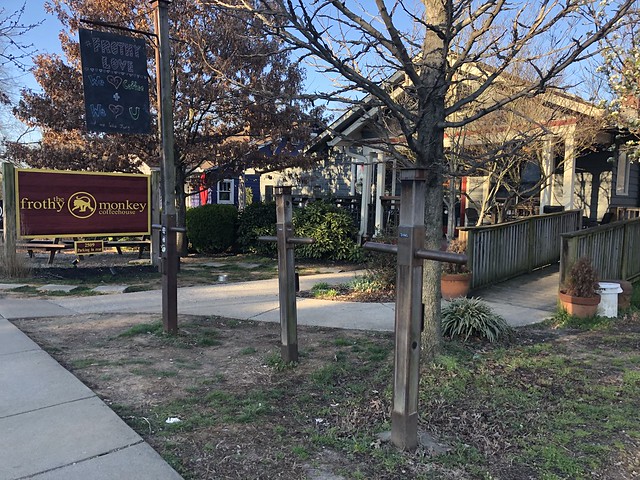
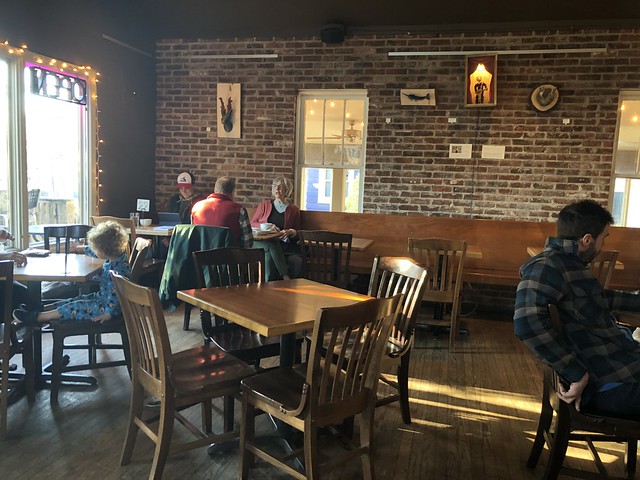 We ended up at Frothy Monkey, a coffee shop with a number of locations in Nashville.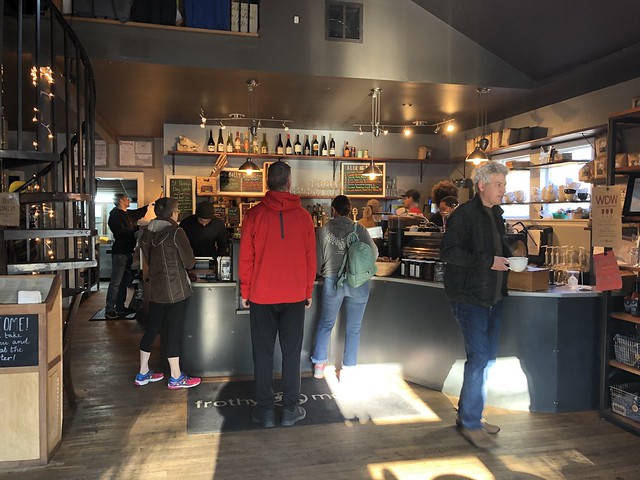
At Frothy Monkey, we have developed the recipe for the ideal dining experience: creative folks using quality ingredients to prepare original dishes served in a cozy and approachable atmosphere. Sounds great, right? Let’s be honest though. When you’re hungry, you just want tasty, fresh food, in your neighborhood at your favorite spot that’s, well, honest. It’s easy to be honest about our food. We have personal relationships with the people that grow and produce many of our ingredients and we combine them with our own hands in our own kitchens. And there it is. You have the freshest meals (preservatives always at a minimum) and the peace of mind that you know what you are eating. The best thing is you don’t even have to think about it. So, go ahead and be choosy about what you eat. We’ll create a conscientiously crafted food experience, breakfast through DINNER, every time.
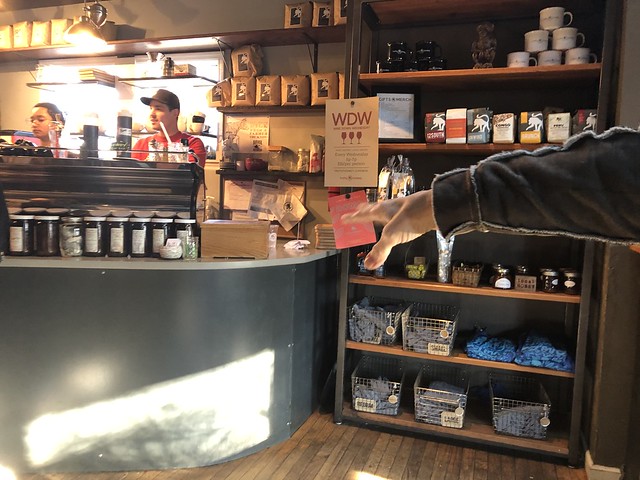 The space has a cool, welcoming vibe with all sorts of seasonal drinks, signature coffee drinks and more.
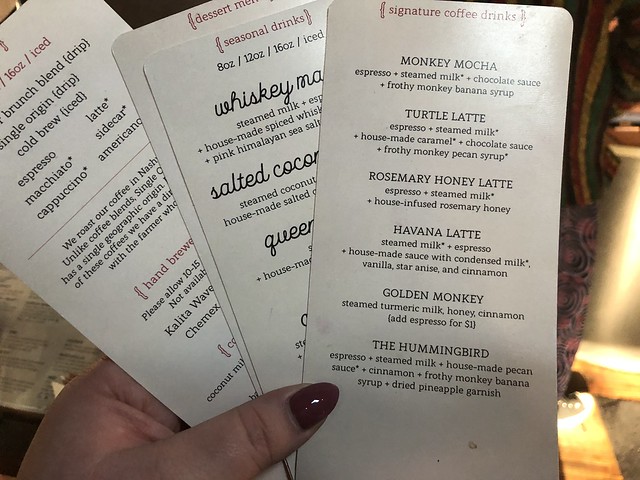 Immediately, the turtle latte with espresso, steamed milk, housemade caramel, chocolate sauce and frothy monkey pecan syrup caught my eye.
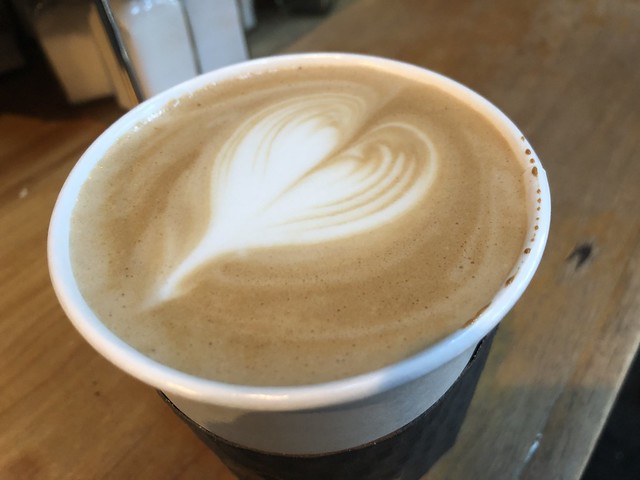 And, I ordered a blueberry muffin, which they make in house! Both were fabulous.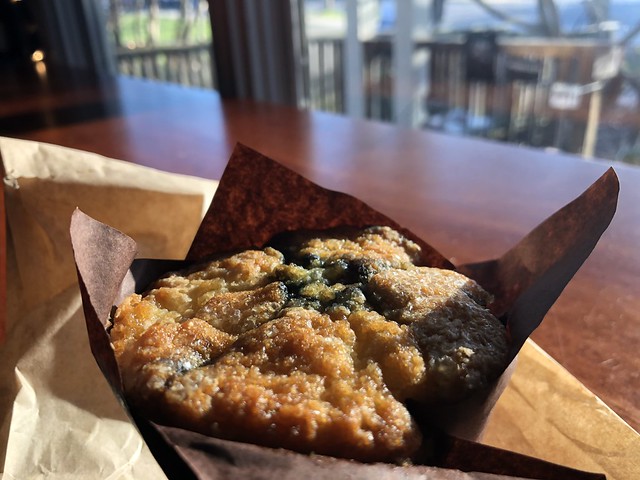
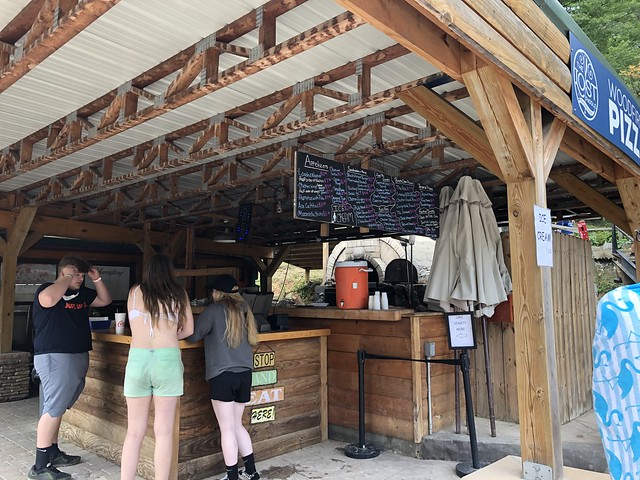 There are a few different dining options at ACE Adventure Resort, but I was excited to try Woody's Patio Grill.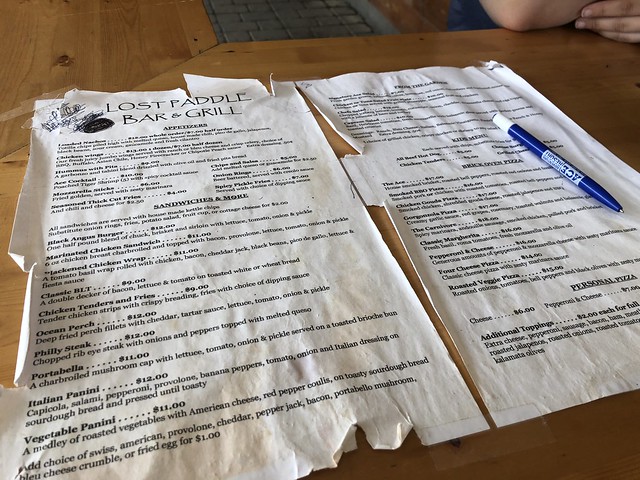
It features pizzas! I ordered a plain personal cheese pizza, though they have specialties in the larger sizes.
 Yum!
Yum!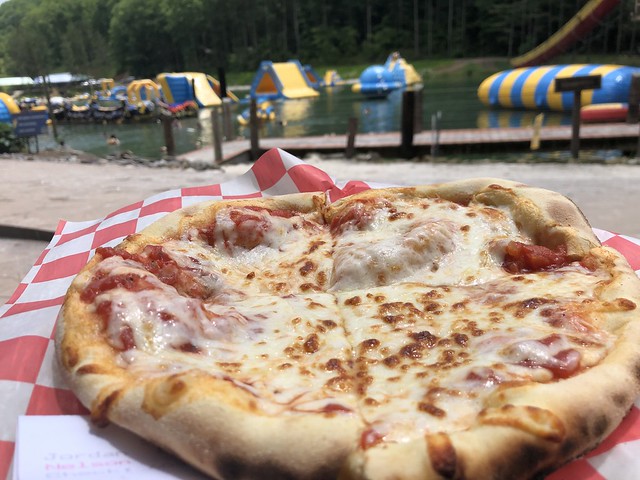 I also of course had to get some ice cream.
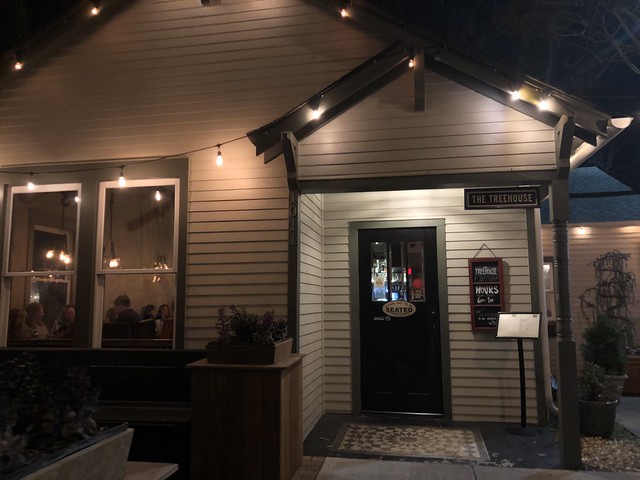 While in Nashville, I managed to sneak in two great restaurants.
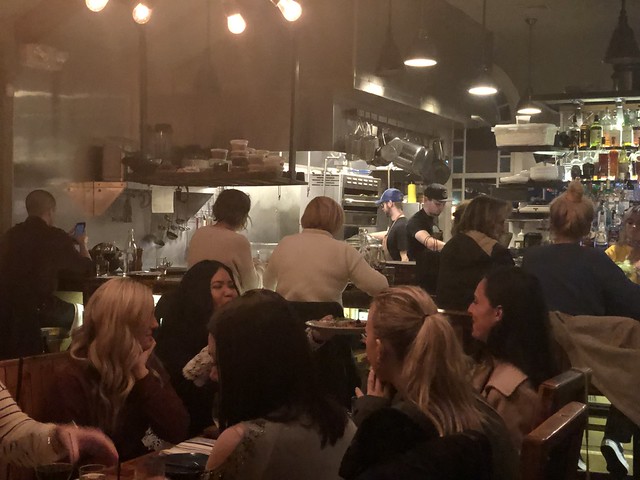 The Treehouse is a trendy, Zagat-rated spot that was hopping on a Saturday night.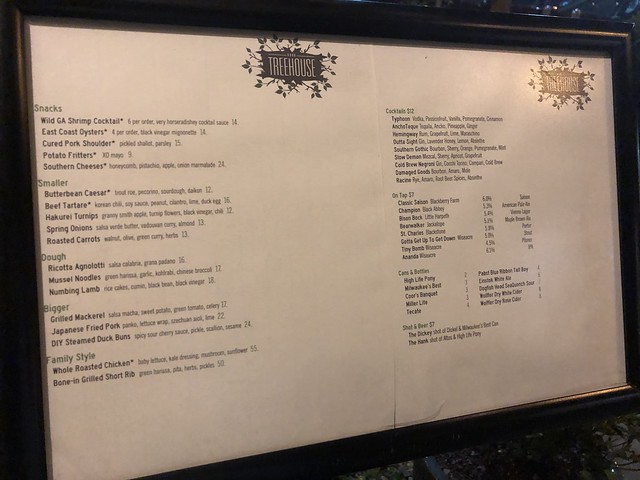
Fans “adore” this “cool little” Lockeland Springs haunt, whose ultra-rustic venue (check the name) sets the scene for an “amazing”, “evolving” menu of farm-to-fork American fare featuring global accents that get more “playful” late at night; the “cozy” interior has a communal feel, and there’s “lots of outdoor seating” in the backyard.
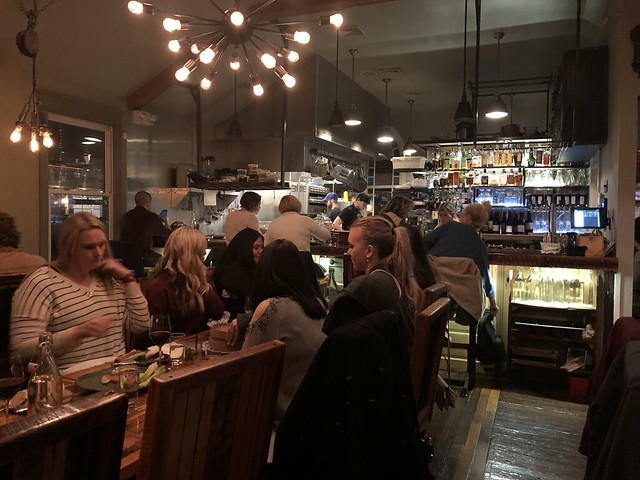 We were led to a seat outside where there were giant heat lamps and had just about 5 minutes to get an order in before the kitchen closed.
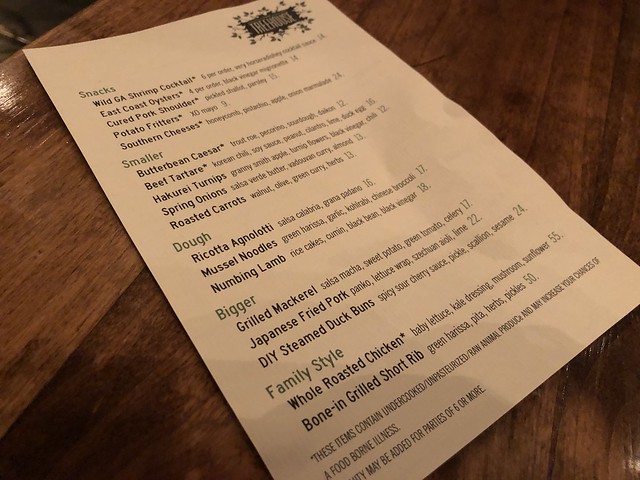 I wasn't starving, but I could definitely manage another snack - especially at such a renowned place.
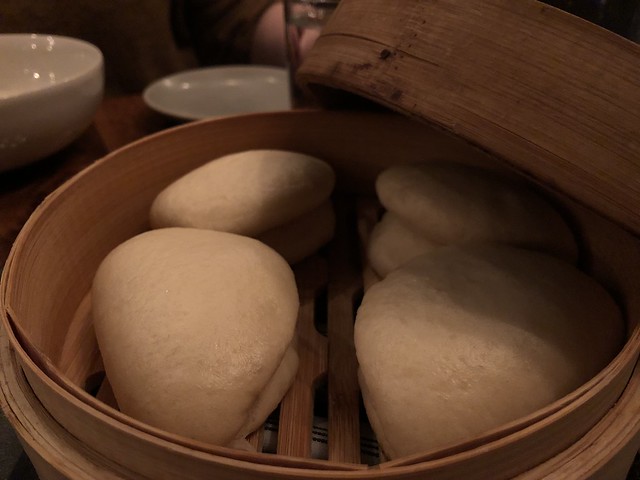 There were a few fun things on the menu, but the one that caught my eye was "DIY Steamed Duck Buns," which came with spicy sour cherry sauce, pickle, scallion and sesame. YES PLEASE.
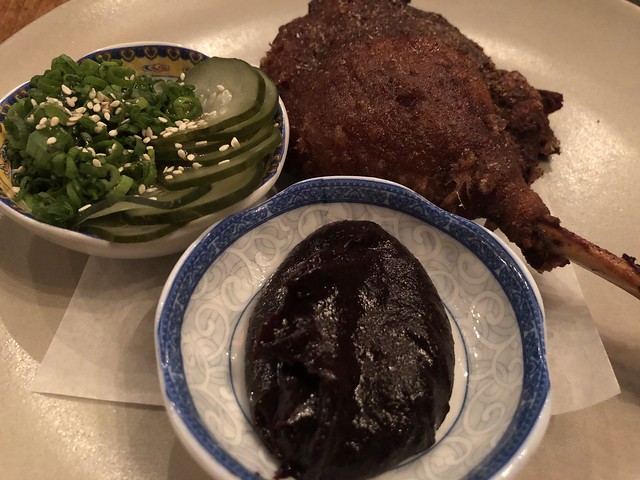 Everything was fabulous, and I felt like a bit of a chef. But also, can I just eat steamed buns all day every day?
 La Cucina Italian Grill is a restaurant in Weirton that focuses on authentic cuisine and traditional wine. I never turn down pasta, so I was excited to try this place for lunch.
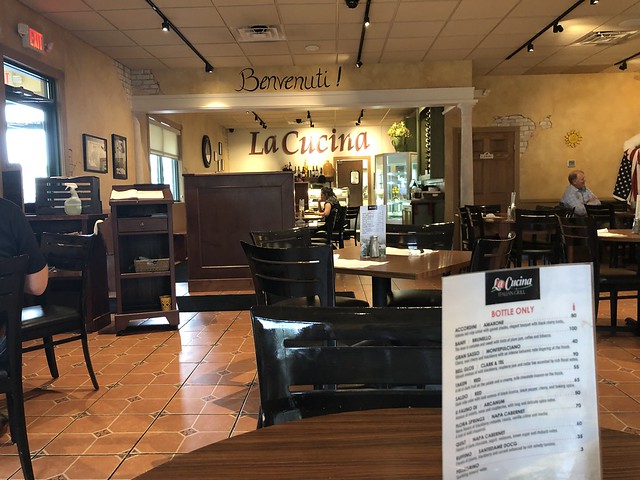 The interior is welcoming, with warm tones and some exposed brick art dotting the walls.
 The menu has soup, homemade meatballs, pastas and pizzas.
 First, I started with a house salad with French dressing - complete with giant hunks of fresh tomatoes.
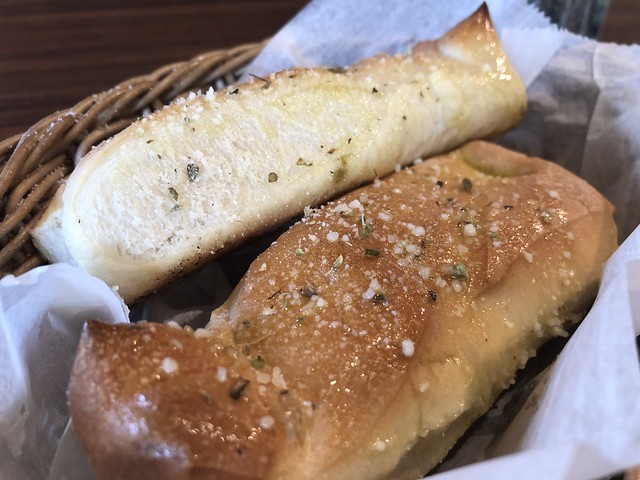 Then, there were house rolls topped with cheese and herbs.
 And for my entree - lobster ravioli with a rose sauce. This has me written all over it. Creamy, rich, flavorful. It hit all the right notes. Have you been?
 One of my best friends lives in Nashville, so I'm fortunate to be able to visit now and then.
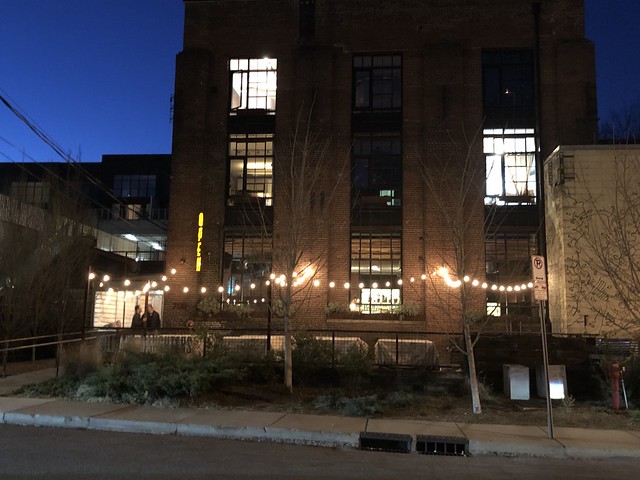 Not only do I love this town because it means I get to see one of my best friends, I love that there's life and energy and amazing food.
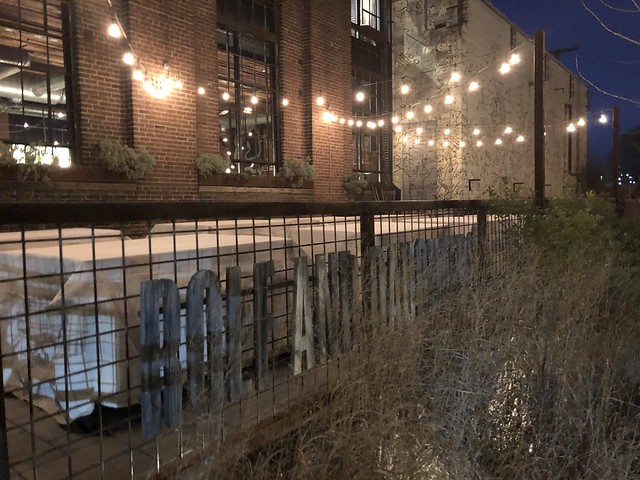
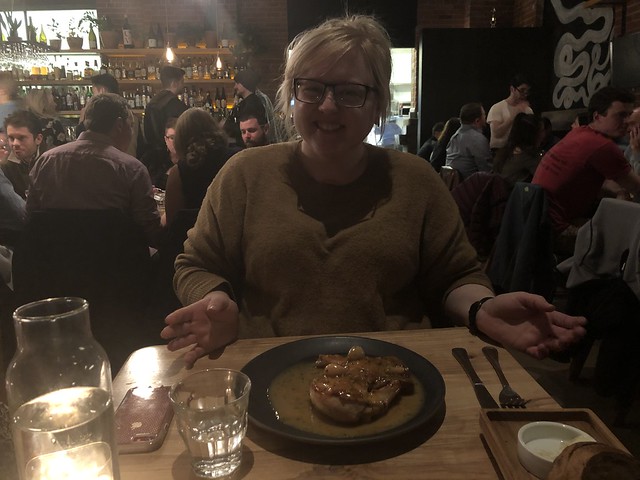 At the top of my to-visit list was Rolf and Daughters, which is featured on Zagat.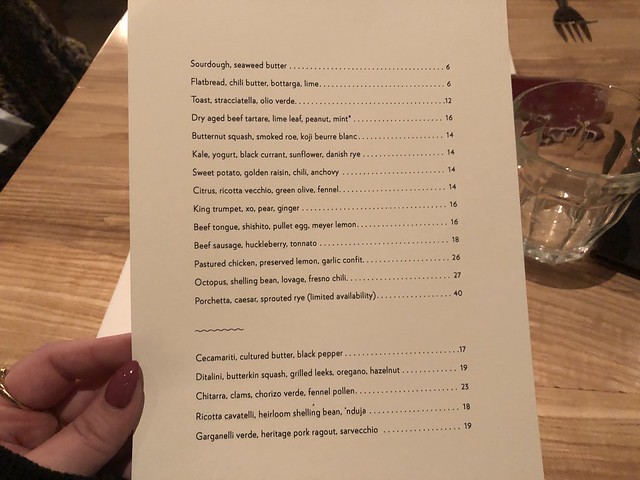
An absolute must“ for ”innovative“ New American cuisine, this upscale Germantown ”gem“ presents a ”heavenly“ array of shareable small plates, hearty entrees and ”incredible cocktails“ dispensed by a ”top-notch“ team; the ”industrial“ space in a restored factory building offers communal seating (as well as smaller tables) and a patio for ”people-watching“, but be sure to arrive ”really early" if you can’t snag a reservation.
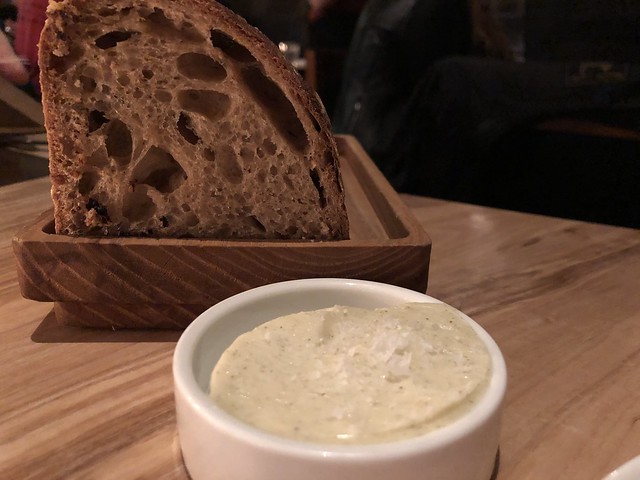
We started with some sourdough and seaweed butter. SEAWEED BUTTER y'all - it kinda just tasted extra salty.
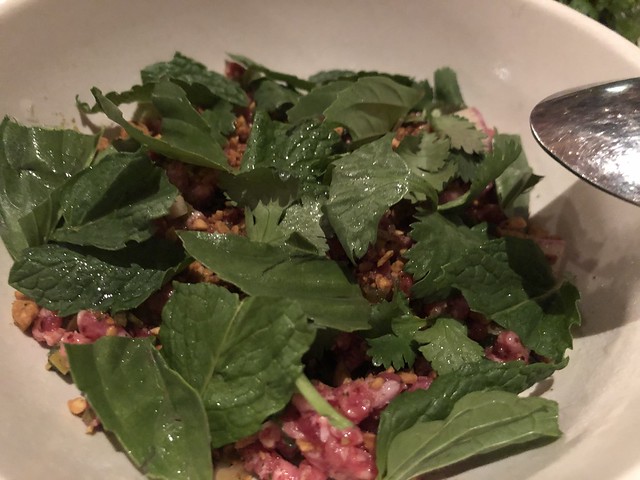
 Then I had dry-aged beef tartare, lime leaf, peanut and mint. I'm not gonna lie - this looked like straight raw hamburger meat (which I used to steal from the pack when my mom was cooking) - but the peanut was crucial and gave it some crunch.
 Bri ordered the sweet potato with golden raisin, chili and anchovy.
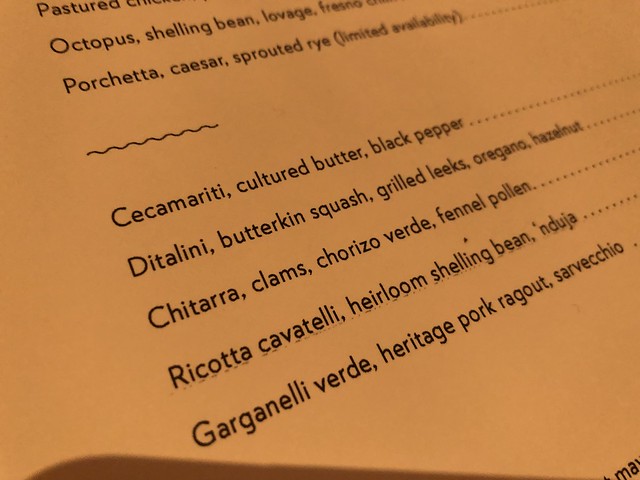
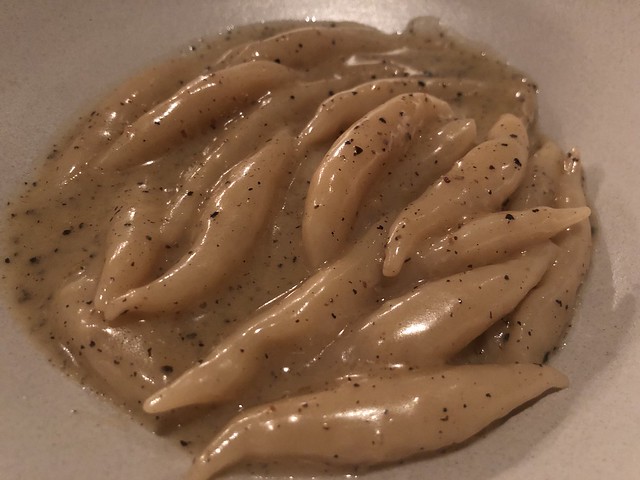
 Then I had "Cecamariti," which was a handmade pasta made from sourdough - how cool is that. It came with cultured butter and pepper.
 These were tapas-style, so not huge portions. That made me feel better about ordering dessert.
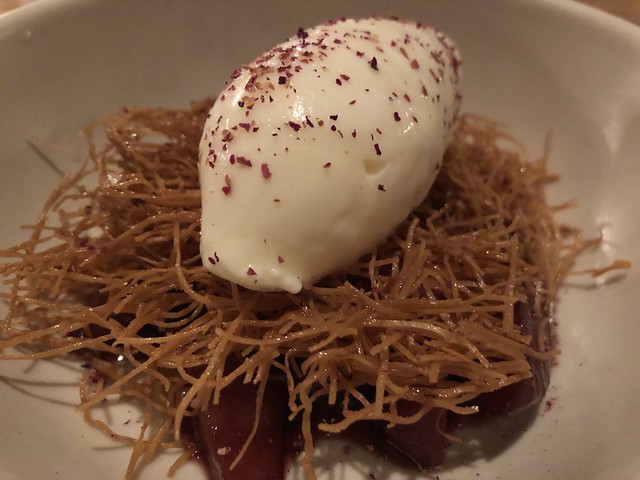
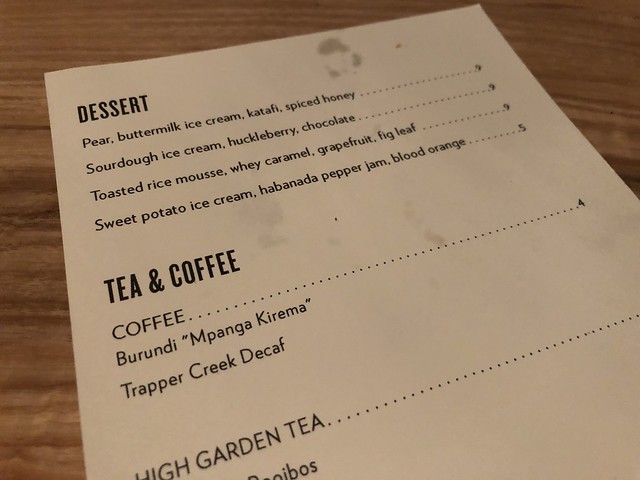 So I went with the pear with buttermilk ice cream, katafi and spice honey. Wow, this is one of the tastiest things I've had in recent memory.
 Have you been here?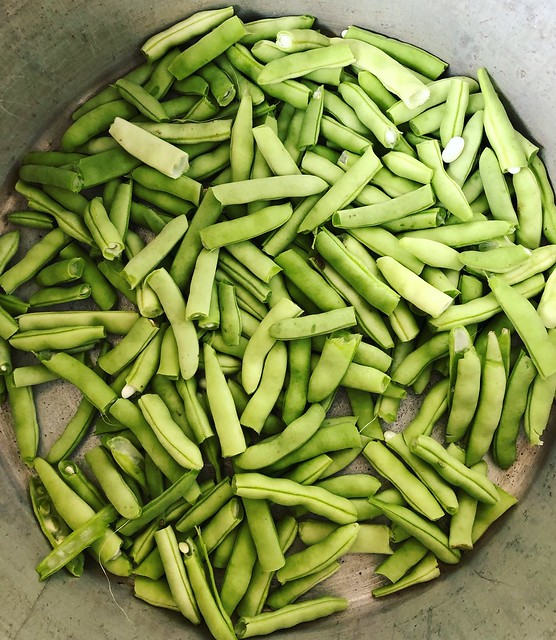
Here is my latest column for the Charleston Gazette-Mail on green beans:
Green beans have a special place in Appalachia’s heart — no matter their form: half-runners or pole beans, leather britches or shuck beans, or even green bean casserole.
This versatile bean has been grown in Appalachia for more than 1,000 years, according to “Saving Seeds, Preserving Taste: Heirloom Seed Savers in Appalachia” by Bill Best.
And West Virginia has several unique native heritage varieties of pole beans (meaning they grow tall and need a pole for support) and half-runner beans (which are halfway between a bush bean and a pole bean, so they don’t grow quite as tall), according to “Heritage Beans as a Commercial Crop for West Virginia for West Virginia Farms” by Lewis W. Jett.
Growing beans
Heritage beans are popular in home gardens across Appalachia and connect generations through seed saving. That not only helps with biodiversity on farms, but it’s also important health-wise: Heritage beans tend to be high in fiber, low in fat and high in protein.
“West Virginia consumers who demand these beans cannot find them in local grocery markets or in most restaurants,” according to Jett.
So, these beans aren’t something you can find just anywhere — even if we Appalachians have a taste for them. And continuing to preserve these varieties for the future is important to preserving a piece of our history.
Stringing beans
Like many others, I have fond childhood memories of stringing beans. I vividly remember sitting with my neighbor, who set me up on a chair and taught me to break off the tip of the green bean, pull the string down the one side. Repeat on the other end, then snap them in half and place them in a big bucket.
I recently relived this memory at the Capitol Market with their 10th Annual Bean Stringin’ Event where people came to purchase local green beans, string them and donate them to Manna Meal, which are used all year round to feed those in need.
This pastime is near and dear to my heart — as well as many Appalachians who recall sitting on the porch with grandma, filling up a bucket.
Drying beans
While some beans may be cooked low and slow with some salted pork, many others (oftentimes greasy beans) are preserved in their pods.
Shuck beans or leather britches refers to stringing beans with a needle and thread, then hanging them out to dry before storing them in jars or bags. Months later, these beans can be rehydrated and cooked, which creates a silky, tender texture.
Legend dictates that the beans look like leather britches that had gotten wet and then dried out — hence the name. Shuck beans refers to the fact that they were dried in their shuck.
The bean’s legacy runs deep in Appalachia. Like many traditional foods, these beans were diverse, and Appalachians devised a way to make the summer bounty last throughout the winter. And through seed-savers, these heirloom beans are living on for future generations to enjoy as much as we do.
Green beans have a special place in Appalachia’s heart — no matter their form: half-runners or pole beans, leather britches or shuck beans, or even green bean casserole.
This versatile bean has been grown in Appalachia for more than 1,000 years, according to “Saving Seeds, Preserving Taste: Heirloom Seed Savers in Appalachia” by Bill Best.
And West Virginia has several unique native heritage varieties of pole beans (meaning they grow tall and need a pole for support) and half-runner beans (which are halfway between a bush bean and a pole bean, so they don’t grow quite as tall), according to “Heritage Beans as a Commercial Crop for West Virginia for West Virginia Farms” by Lewis W. Jett.
Growing beans
Heritage beans are popular in home gardens across Appalachia and connect generations through seed saving. That not only helps with biodiversity on farms, but it’s also important health-wise: Heritage beans tend to be high in fiber, low in fat and high in protein.
“West Virginia consumers who demand these beans cannot find them in local grocery markets or in most restaurants,” according to Jett.
So, these beans aren’t something you can find just anywhere — even if we Appalachians have a taste for them. And continuing to preserve these varieties for the future is important to preserving a piece of our history.
Stringing beans
Like many others, I have fond childhood memories of stringing beans. I vividly remember sitting with my neighbor, who set me up on a chair and taught me to break off the tip of the green bean, pull the string down the one side. Repeat on the other end, then snap them in half and place them in a big bucket.
I recently relived this memory at the Capitol Market with their 10th Annual Bean Stringin’ Event where people came to purchase local green beans, string them and donate them to Manna Meal, which are used all year round to feed those in need.
This pastime is near and dear to my heart — as well as many Appalachians who recall sitting on the porch with grandma, filling up a bucket.
Drying beans
While some beans may be cooked low and slow with some salted pork, many others (oftentimes greasy beans) are preserved in their pods.
Shuck beans or leather britches refers to stringing beans with a needle and thread, then hanging them out to dry before storing them in jars or bags. Months later, these beans can be rehydrated and cooked, which creates a silky, tender texture.
Legend dictates that the beans look like leather britches that had gotten wet and then dried out — hence the name. Shuck beans refers to the fact that they were dried in their shuck.
The bean’s legacy runs deep in Appalachia. Like many traditional foods, these beans were diverse, and Appalachians devised a way to make the summer bounty last throughout the winter. And through seed-savers, these heirloom beans are living on for future generations to enjoy as much as we do.

Big Shot Bob's House of Wings just opened a Morgantown location. They are based in Pittsburgh but have a few locations in West Virginia: Weirton and Wheeling. But this is the first I tried.
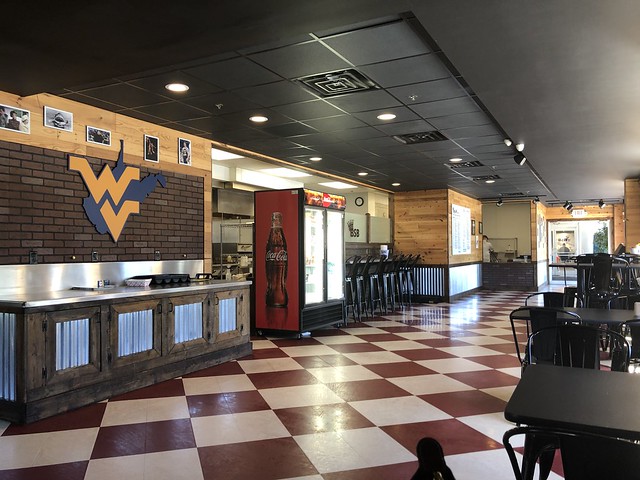 This shop is cash only, so be sure to get some money out before you go. Or, they have an ATM on site. The interior is open with a decent amount of seating, including a bar area.
 The wing menu of flavors is crazy. There are literally just so many, and many of them build on top of one another. I ultimately went with "TALK OF BEAVER FALLS - Hot and
Tangy. One of Our Bestsellers."
The wing menu of flavors is crazy. There are literally just so many, and many of them build on top of one another. I ultimately went with "TALK OF BEAVER FALLS - Hot and
Tangy. One of Our Bestsellers." They weren't joking when they said they have some kick. It has an almost vinegar-y flavor that perked me right up. Interesting flavor though. Do you have a favorite?
All work property of Candace Nelson. Powered by Blogger.