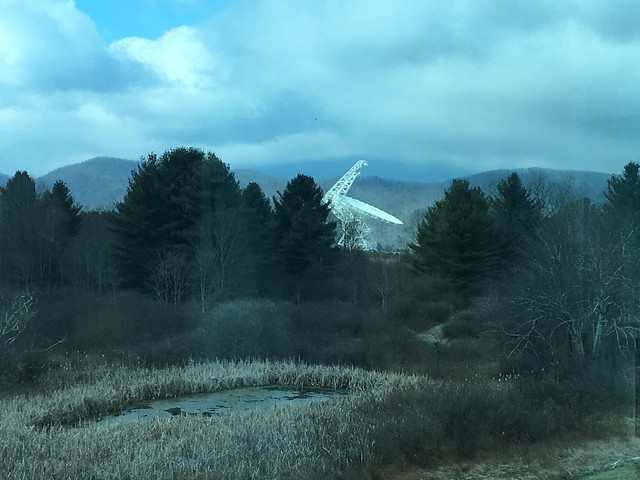
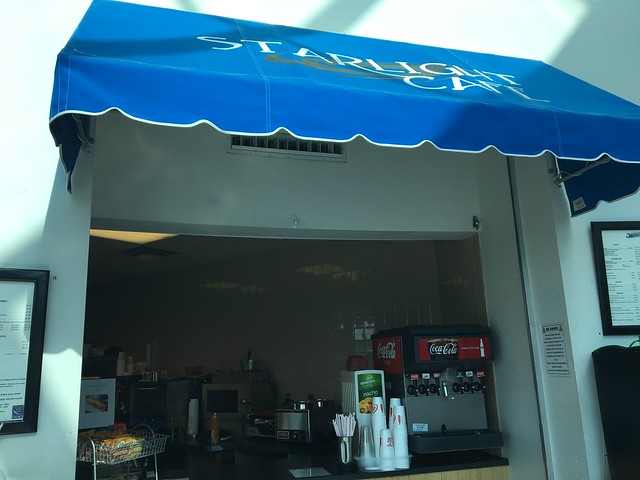
So, I’ve been to Green Bank before, but I had never been to eat at the Green Bank Observatory. So, when this small cafe found itself on the 101 Most Unique Places to Dine in West Virginia list, I made a special trip to get my hands sandwich with a good view of a pretty big telescope.
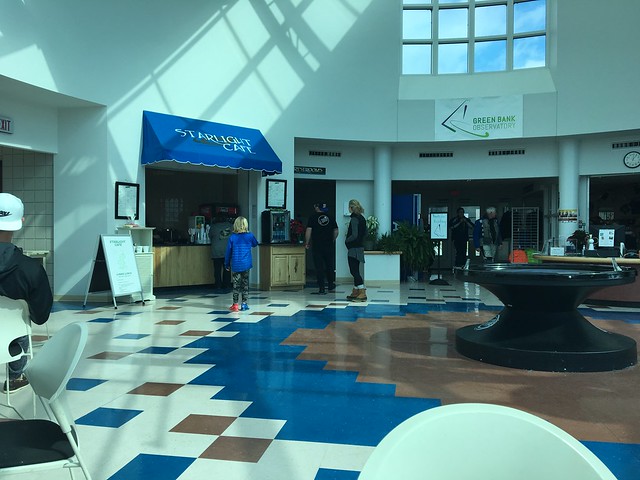
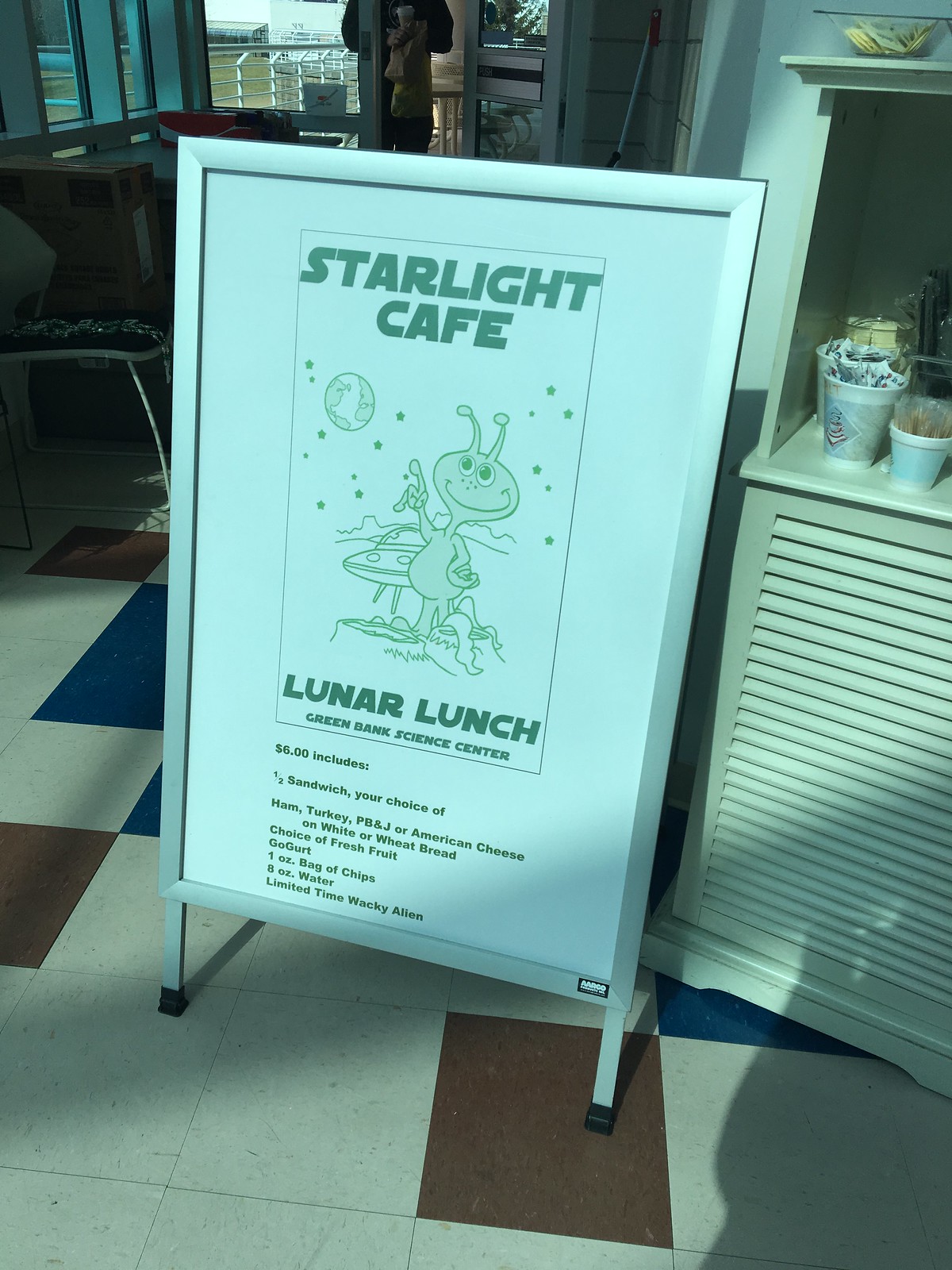
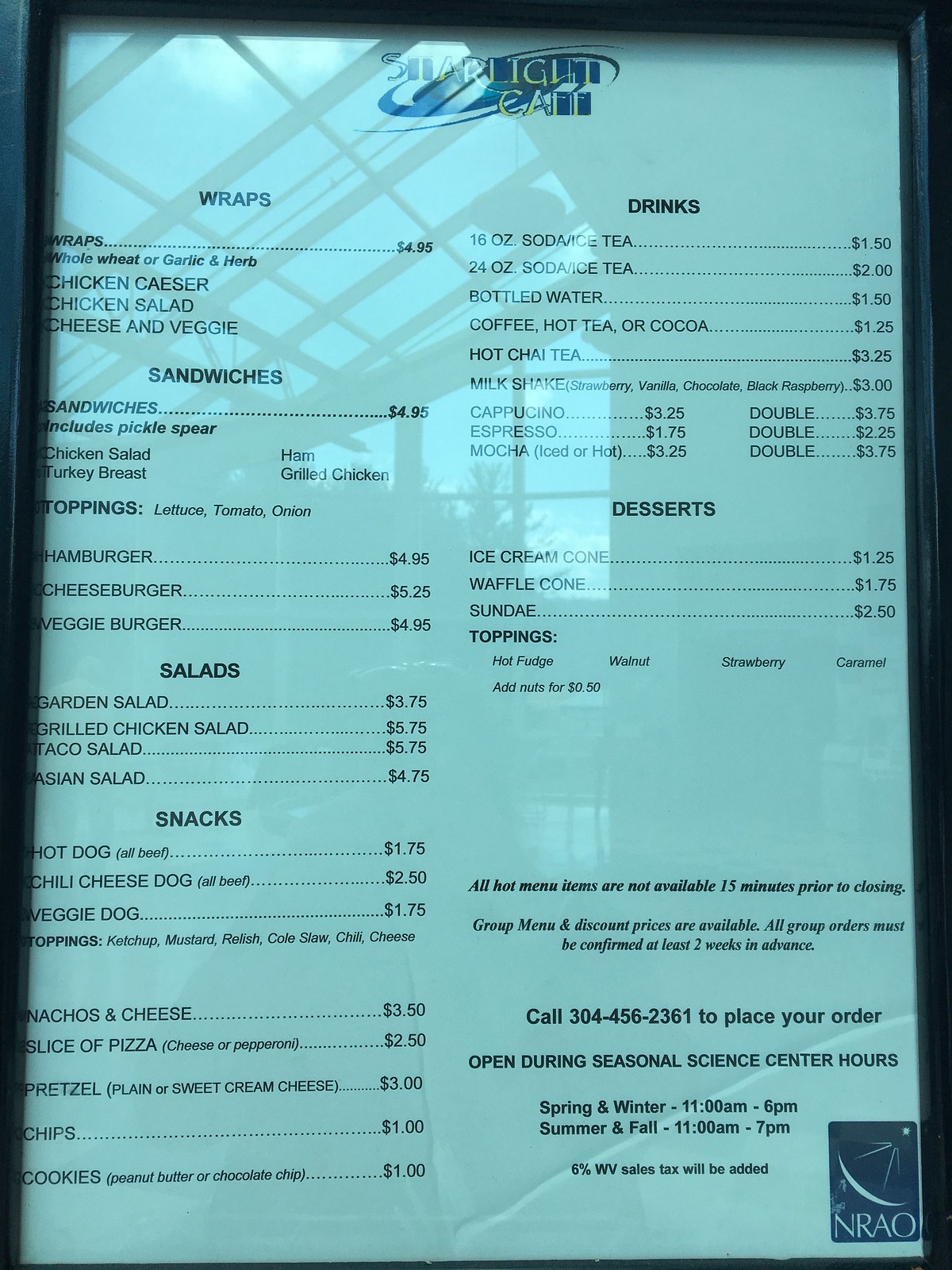
Starlight Cafe features warps, sandwiches, salads, hot dogs, nachos, pizza, pretzels and even milkshakes. They also something called “Lunar Lunch,” which is like their version of a happy meal. For $6, you can get 1/2 a sandwich (ham, turkey, PB&J or American Cheese on white or wheat bread), choice of fresh fruit, Yogurt, 1 oz. bag of chips, 8 oz. water and a limited time “wacky alien.”
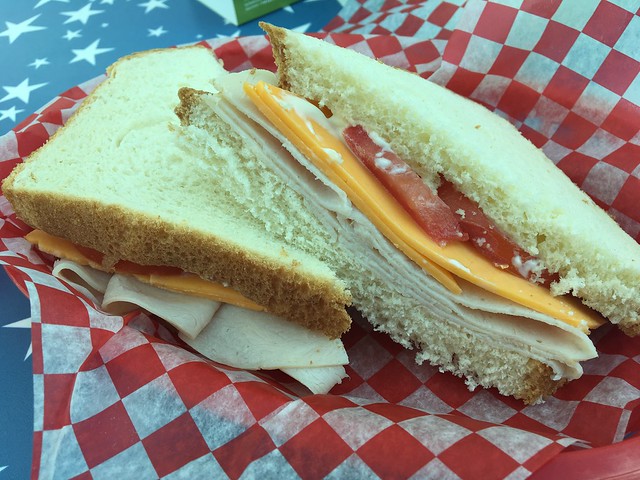
Since I’m probably not the key age demographic for that, I went the more traditional “sandwich” route. I opted for the turkey breast sandwich topped with tomato, mayo and cheese. It’s nothing fancy; it’s not trying to be. And, I’m OK with that. Most people aren’t going here for a dining destination; they’re going to learn about the incredible research going on here. But, it’s nice that while you’re exploring, you can also grab a bite to eat.
The sandwich was decent. It’s nothing special, but it was piled high with turkey and the tomatoes were fresh. I’ve had my share of turkey sandwiches, so I’m OK with not making this a regular occurrence. But, if you’re in the area, it’s a decent option.
And, make sure you get a selfie with the telescope.
Grade: B
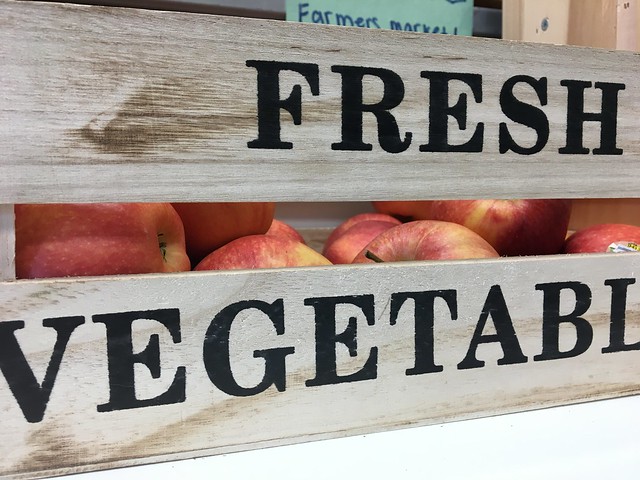
So, I really love a locally owned grocery store.
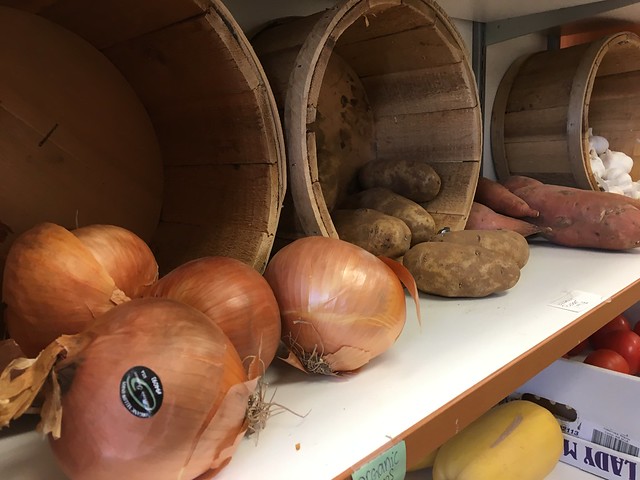
I’ve been trying to hit up as many as I can around the state, and recently when I was in the Eastern Panhandle, I stumbled upon the Community Garden Market, a natural and organic market. There is a location in Berkeley Springs, and there is a location in Shepherdstown, as well.
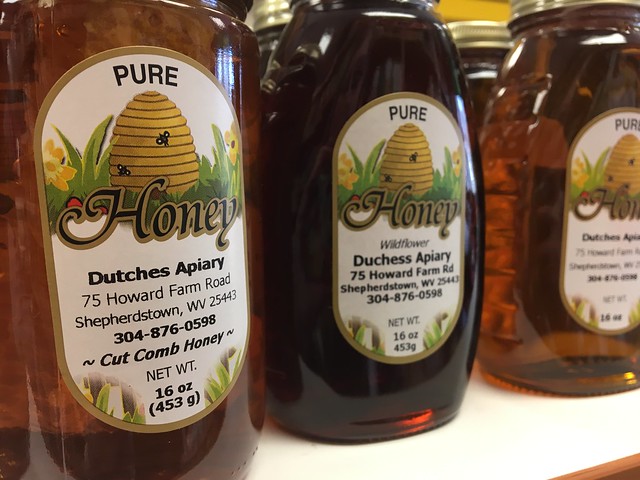
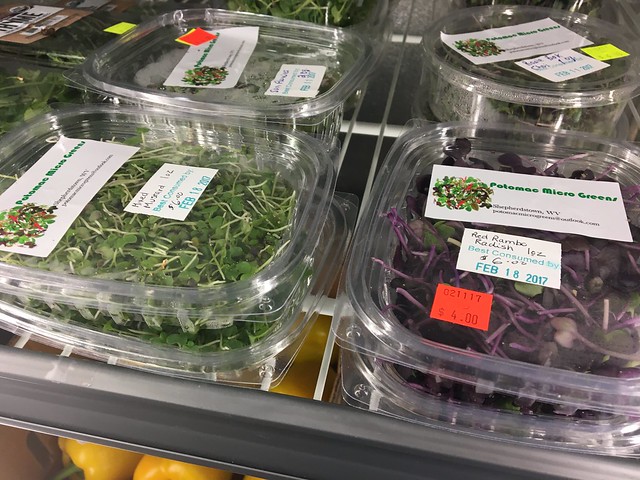
While there, I saw lots of great locally grown produce, like lettuce and cheeses. They also had grains and trail mixes. And, there were lots of natural and organic products as well. Have you been? What have you purchased?
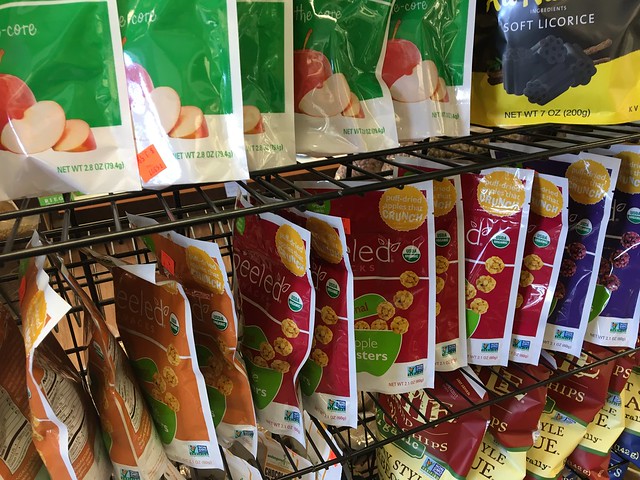
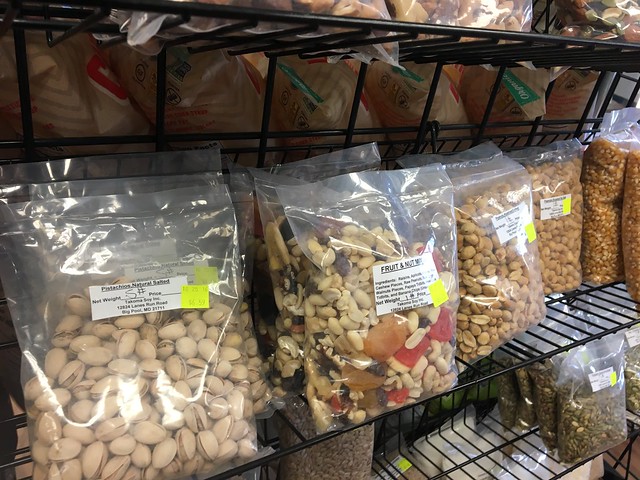
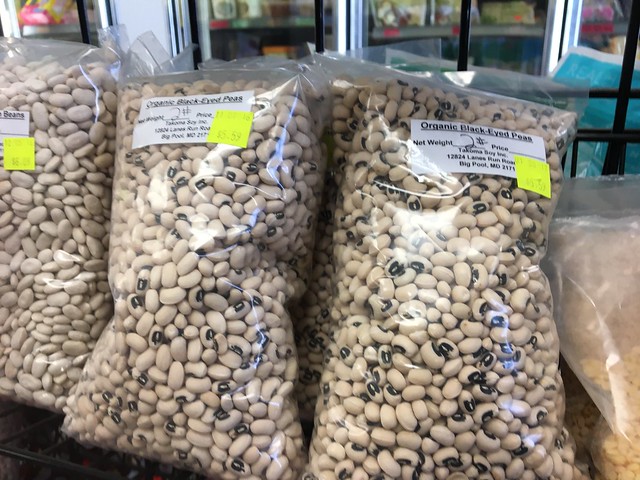
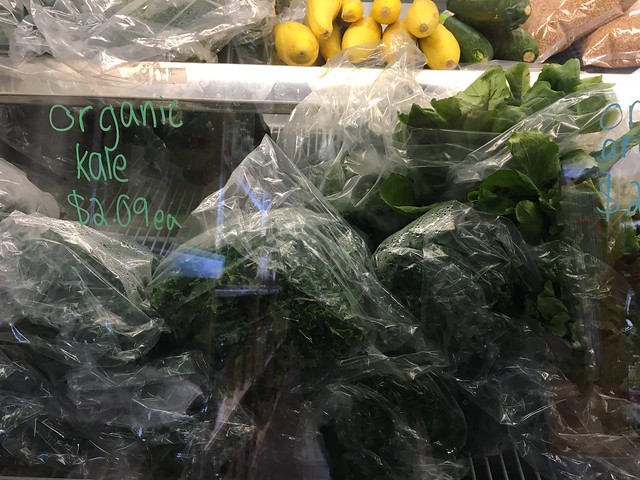
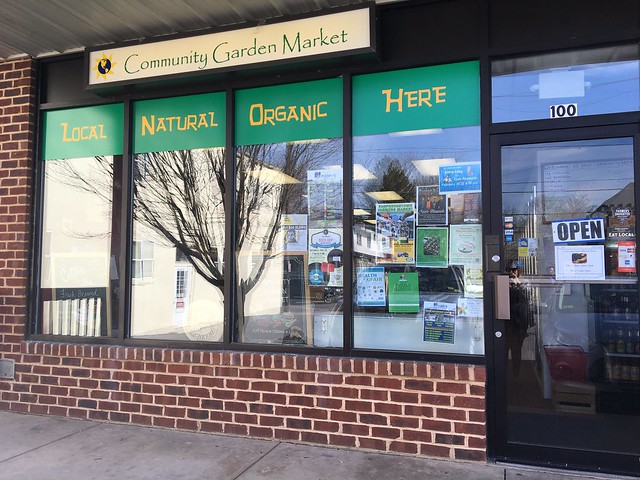
I’ve been trying to hit up as many as I can around the state, and recently when I was in the Eastern Panhandle, I stumbled upon the Community Garden Market, a natural and organic market. There is a location in Berkeley Springs, and there is a location in Shepherdstown, as well.
While there, I saw lots of great locally grown produce, like lettuce and cheeses. They also had grains and trail mixes. And, there were lots of natural and organic products as well. Have you been? What have you purchased?
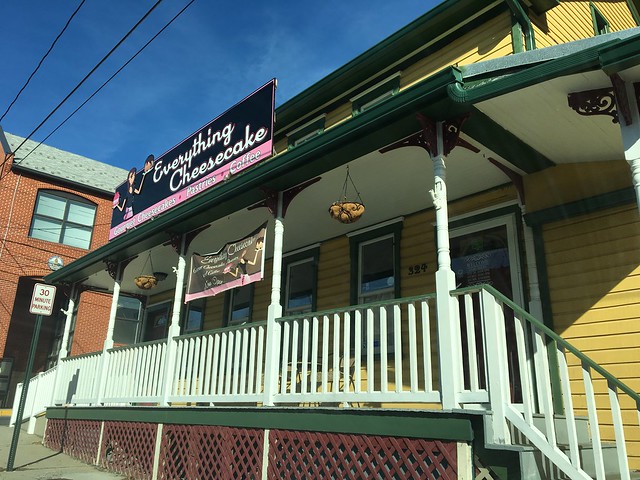
In my (crazy?) efforts to try all of the restaurants on the 101 Most Unique Places to Dine in WV List (at the time of writing this, I just have one left!), I’m traveling all over the state. And, most recently, my adventures took me to Martinsburg to check out Everything Cheesecake.
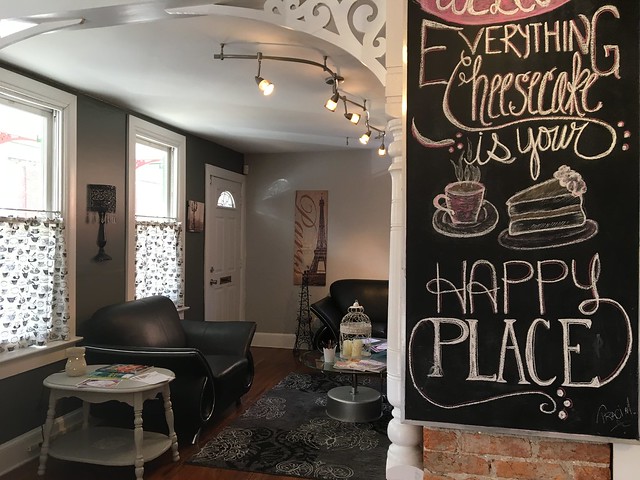
This shop specializes in gourmet cheesecakes, as well as pastries and coffee. I pulled up, parked right out front and was the first customer of the day. Cheesecake for breakfast, sure, why not?
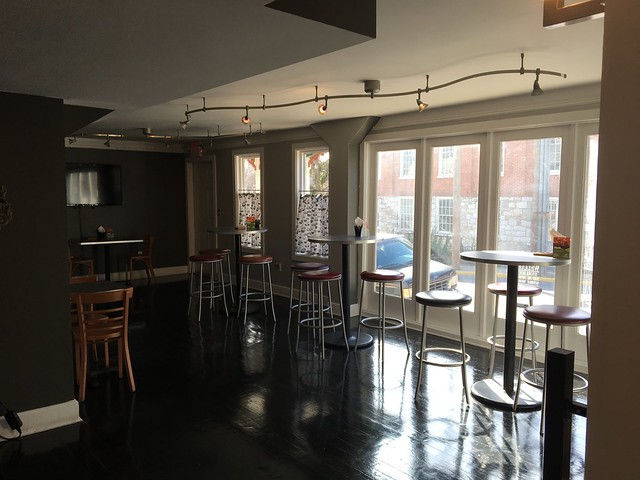
The space is really lovely - beautiful track lighting, lounge areas with comfy seats, and giant windows that let in tons of natural light - my favorite.
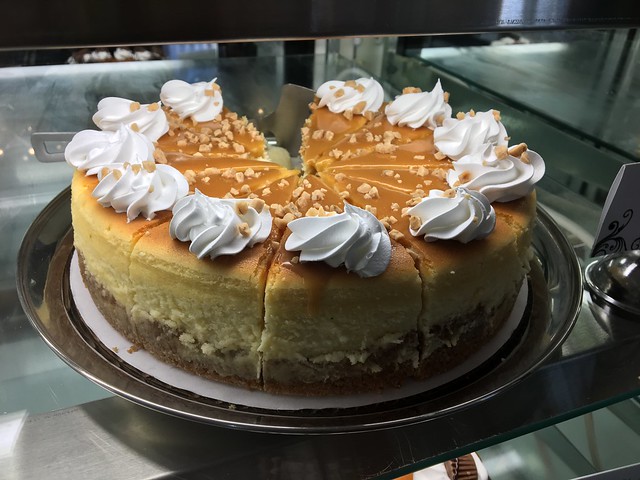
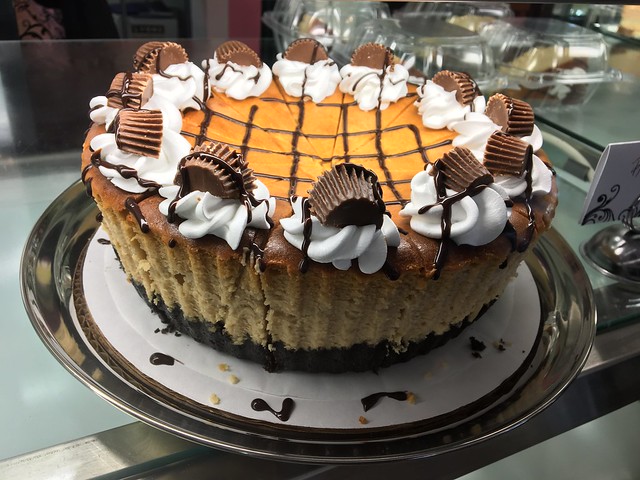
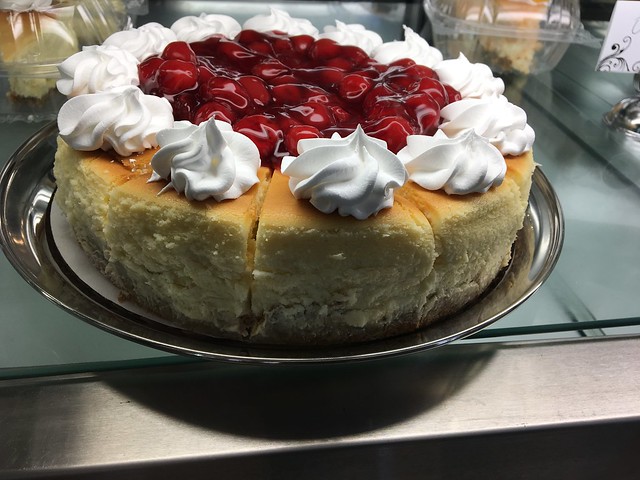
The display case has these giant beautiful cheesecakes topped with caramel or strawberries or Reese cups. I was told their salted caramel is one of their most popular, and you don’t have to convince me to ever order anything caramel. I’ll probably beat you to it.
As the woman working prepared to carve my slice from the giant cheesecake, she told me a little bit about the history of the shop and how it’s this really integral part of the community. I loved hearing how the owners are involved and wanting to give back.
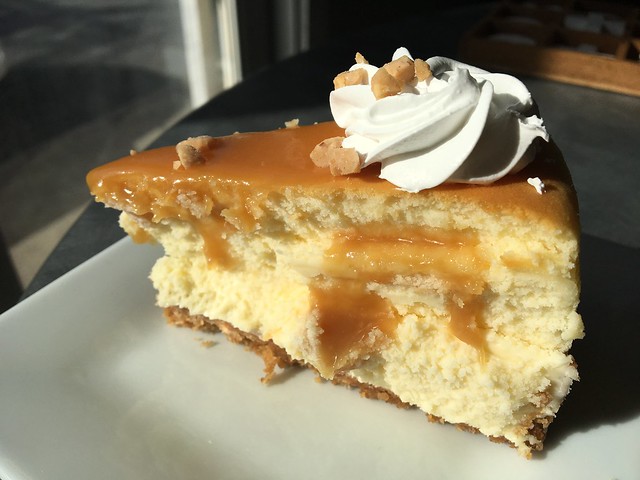
After just a short wait, my beautiful slice of cheesecake heaven was in front of me, and I was looking at it from all angles trying to determine how to best dig in. The thick layer of salted caramel on top was rich, indulgent and perfectly paired with the rich and creamy cake. The crust was light and crumbly. It is not for the faint of heart, though, as it is so decadent you almost need something salty to balance it all out. Perfect with a cup of coffee.
Or, you know, don’t eat it all in one sitting like I tend to do.
So, if you have a sweet tooth or are looking for a nice bite after dinner, stop by. You won’t be disappointed.
Grade: A

Here's a column I wrote for the Charleston Gazette-Mail about agritourism and how it benefits all of us.
An endless field of bright orange pumpkins with green vines sprout from the earth. Tots bounce from patch to patch eyeing which orb they can fashion into the perfect jack-o’-lantern.
The hayride circles back around to retrieve the next crop of farm-goers. Farm workers regale visitors with the history of the farm and agriculture. And, a few rows over, families reach up to pluck fresh apples from bushy trees.
This beautiful scene painted at Orr’s Farm Market in Martinsburg is an essential part of fall in Appalachia.
Is it really autumn if you don’t leave a family farm with a pumpkin or two under your arm and a peck of apples at your side?
Many farms are no longer simply planting crops and raising livestock. Rather, they are destinations that provide experiences and memories that last a lifetime — otherwise known agritourism.
Agritourism, by broad definition, encompasses farms providing additional activities, events or education at the property that draw visitors to generate additional income.
West Virginia farms are incorporating corn mazes, produce picking, hayrides, educational activities, games, restaurants that use local food and even bed-and-breakfasts, often known as farm stays.
More and more local farms are investing in this concept of agritourism, which has served small West Virginia family farms well and can contribute to growing the state economy.
“I’ve heard a lot of customers tell me how much it means to them to come, relax, pick berries and get away from everything,” said Katy Orr-Dove, retail market manager at Orr’s Farm Market and third-generation family member to work at the farm.
“From years of working with the customer, we have heard what they want and are constantly wanting to incorporate what they are asking for,” she said. “As our community becomes less agricultural-based and more urban, a lot of people that live around here no longer have their own backyard garden and they want a place where they can buy fresh, local produce and even more, they want to take their children with them and experience it together.”
Not only do these experiences define the season, the additional profit farms receive also makes an impact — one that could be crucial to the success and future growth for family farms.
“Our sales have greatly increased ever since incorporating the pick-your-own fruits — and especially with the pumpkin patch,” Orr-Dove said. “It’s brought a lot of new guests to our farm. And, whenever we have school trips, that’s up to 120 people who have never been here before, and it’s almost like free advertising because then they want to come back again with their families at another time.”
These farm-based tourism opportunities are another way for farms to diversify their income, and judging by the success of farms like Orr’s, it may be time to evaluate this new opportunity.
“If you’re in an area like us where you have access to enough people who find apple picking or pumpkin patches to be a novelty, it can be very beneficial for the business,” Orr -Dove said. “Because for us, we’ve probably increased business five times in 10 years —just incorporating activities brings in so many people for market or retail.”
Other farms like Gritt’s Farm, in Buffalo, offer playgrounds, apple slingshots and even a giant corn bin in which to play. At Sickler Farm in Moatsville, you can purchase mums and flowers. Byrnside Branch Farm in Union has bonfires and kettle corn.
As Cindy Martel, marketing specialist with the West Virginia Department of Agriculture, said in a previous story in the Gazette-Mail, this concept tends to work best when several operations “cluster” to create an area with several attractions, rather than just one, to help draw in folks.
This concept may not work well for every farm, I realize that. Many face location, staff or safety concerns. And others may struggle with activities outside of fall. But the potential is enormous.
These farms have integrated themselves into our experiences as West Virginians. The thrill of finding the perfect pumpkin to set out at Halloween is a cherished memory, and peeling freshly plucked apples for a homemade applesauce makes that farm — those people — part of our family.
“It’s very special to me ... it’s a lot of work and we have some days where we’re just exhausted, especially this time of year. But I go stand by the registers and watch kids come through with pumpkins and see how excited they are to be here,” Dove-Orr said.
“It reminds me why we do this. To see that joy when they get on the hayride to go to the pumpkin patch. To us, it’s just a pumpkin, to them, it’s a huge adventure to go on a hayride and to the pumpkin patch. It’s a memory.”
Fall in West Virginia isn’t complete without a trip to the pumpkin patch and apple orchard, and our small farms are integral to that experience — all while working together to grow our state’s economy.
The West Virginia Department of Agriculture, The West Virginia Division of Tourism, West Virginia University Extension Service and West Virginia State University are all working to make this opportunity available for more farms.
For more information on venturing into the agritourism market, visit http://anr.ext.wvu.edu/agritourism.
Candace Nelson is a marketing and public relations professional living in Morgantown. In her free time, Nelson blogs about West Virginia food culture at CandaceLately.com.
Follow @Candace07 on Twitter or email Candace127@gmail.com.
Katy Orr-Dove’s homemade applesauce
This recipe, which can be made with apples from Orr’s Farm Market, is simple, and Katy said it has been enjoyed by many folks for many years.
12 medium-large apples (McIntosh, Cortland, Golden Delicious or others of your choice) peeled, cored, and sliced
1 cup fresh apple cider
3 tablespoons local honey
1 teaspoon lemon juice
spices to taste: 2-3 teaspoons cinnamon, 1/2 teaspoon nutmeg, 1/2 teaspoon ground ginger (Katy’s picks)
Place all ingredients in a Crock-Pot on low for 4 to 6 hours.
Stir occasionally, adding more cider if needed. The key to this recipe is serving it warm at the end of a long cold day.
Add a little cream on top for a special treat.
The hayride circles back around to retrieve the next crop of farm-goers. Farm workers regale visitors with the history of the farm and agriculture. And, a few rows over, families reach up to pluck fresh apples from bushy trees.
This beautiful scene painted at Orr’s Farm Market in Martinsburg is an essential part of fall in Appalachia.
Is it really autumn if you don’t leave a family farm with a pumpkin or two under your arm and a peck of apples at your side?
Many farms are no longer simply planting crops and raising livestock. Rather, they are destinations that provide experiences and memories that last a lifetime — otherwise known agritourism.
Agritourism, by broad definition, encompasses farms providing additional activities, events or education at the property that draw visitors to generate additional income.
West Virginia farms are incorporating corn mazes, produce picking, hayrides, educational activities, games, restaurants that use local food and even bed-and-breakfasts, often known as farm stays.
More and more local farms are investing in this concept of agritourism, which has served small West Virginia family farms well and can contribute to growing the state economy.
“I’ve heard a lot of customers tell me how much it means to them to come, relax, pick berries and get away from everything,” said Katy Orr-Dove, retail market manager at Orr’s Farm Market and third-generation family member to work at the farm.
“From years of working with the customer, we have heard what they want and are constantly wanting to incorporate what they are asking for,” she said. “As our community becomes less agricultural-based and more urban, a lot of people that live around here no longer have their own backyard garden and they want a place where they can buy fresh, local produce and even more, they want to take their children with them and experience it together.”
Not only do these experiences define the season, the additional profit farms receive also makes an impact — one that could be crucial to the success and future growth for family farms.
“Our sales have greatly increased ever since incorporating the pick-your-own fruits — and especially with the pumpkin patch,” Orr-Dove said. “It’s brought a lot of new guests to our farm. And, whenever we have school trips, that’s up to 120 people who have never been here before, and it’s almost like free advertising because then they want to come back again with their families at another time.”
These farm-based tourism opportunities are another way for farms to diversify their income, and judging by the success of farms like Orr’s, it may be time to evaluate this new opportunity.
“If you’re in an area like us where you have access to enough people who find apple picking or pumpkin patches to be a novelty, it can be very beneficial for the business,” Orr -Dove said. “Because for us, we’ve probably increased business five times in 10 years —just incorporating activities brings in so many people for market or retail.”
Other farms like Gritt’s Farm, in Buffalo, offer playgrounds, apple slingshots and even a giant corn bin in which to play. At Sickler Farm in Moatsville, you can purchase mums and flowers. Byrnside Branch Farm in Union has bonfires and kettle corn.
As Cindy Martel, marketing specialist with the West Virginia Department of Agriculture, said in a previous story in the Gazette-Mail, this concept tends to work best when several operations “cluster” to create an area with several attractions, rather than just one, to help draw in folks.
This concept may not work well for every farm, I realize that. Many face location, staff or safety concerns. And others may struggle with activities outside of fall. But the potential is enormous.
These farms have integrated themselves into our experiences as West Virginians. The thrill of finding the perfect pumpkin to set out at Halloween is a cherished memory, and peeling freshly plucked apples for a homemade applesauce makes that farm — those people — part of our family.
“It’s very special to me ... it’s a lot of work and we have some days where we’re just exhausted, especially this time of year. But I go stand by the registers and watch kids come through with pumpkins and see how excited they are to be here,” Dove-Orr said.
“It reminds me why we do this. To see that joy when they get on the hayride to go to the pumpkin patch. To us, it’s just a pumpkin, to them, it’s a huge adventure to go on a hayride and to the pumpkin patch. It’s a memory.”
Fall in West Virginia isn’t complete without a trip to the pumpkin patch and apple orchard, and our small farms are integral to that experience — all while working together to grow our state’s economy.
The West Virginia Department of Agriculture, The West Virginia Division of Tourism, West Virginia University Extension Service and West Virginia State University are all working to make this opportunity available for more farms.
For more information on venturing into the agritourism market, visit http://anr.ext.wvu.edu/agritourism.
Candace Nelson is a marketing and public relations professional living in Morgantown. In her free time, Nelson blogs about West Virginia food culture at CandaceLately.com.
Follow @Candace07 on Twitter or email Candace127@gmail.com.
Katy Orr-Dove’s homemade applesauce
This recipe, which can be made with apples from Orr’s Farm Market, is simple, and Katy said it has been enjoyed by many folks for many years.
12 medium-large apples (McIntosh, Cortland, Golden Delicious or others of your choice) peeled, cored, and sliced
1 cup fresh apple cider
3 tablespoons local honey
1 teaspoon lemon juice
spices to taste: 2-3 teaspoons cinnamon, 1/2 teaspoon nutmeg, 1/2 teaspoon ground ginger (Katy’s picks)
Place all ingredients in a Crock-Pot on low for 4 to 6 hours.
Stir occasionally, adding more cider if needed. The key to this recipe is serving it warm at the end of a long cold day.
Add a little cream on top for a special treat.

Appalachia has a long history with hard cider.
When prohibition leveled apple orchards and halted production of alcoholic beverages across the country, it didn’t stop many folks in West Virginia.
“Just like with moonshine, when anything was illegal, we were still doing it up here in the hills,” said Josh Bennett, co-owner of Hawk Knob Hard Cider and Mead in Lewisburg. “It was a just a farmstead practice, and if you weren’t in the city where they really had their eyes on you, farmers were going to keep doing what they traditionally did for hundreds of years. It’s just that simple. People were still gonna grow their orchards and make their hard cider.”
Bennett, along with Will Lewis, opened Hawk Knob — the state’s first hard cidery — in 2014, where they specialize in dry traditional, heirloom hard cider.
“Hard cider is the American beverage, in general; before prohibition, there was more cider drank per capita in this country than any other soda pop today. That’s a lot of hard cider,” Bennett said. “It’s a good beverage. It was a commodity at the time. And people didn’t always have access to clean potable water around every municipality, so people were drinking cider like it was water.”
Prohibition saw many orchards cut down and the end of production of hard cider in many areas — with the exception of some renegade farmers in the mountains — and once that time period ended, beer made more of a comeback.
“Beer is pretty easy to make with the grains, which have a long shelf life. You don’t have to plant an apple tree and wait seven years to harvest the fruit from it, and so many orchards had been lost at the time — and apples are perishable. If you’re making a true traditional cider, it’s a seasonal product,” Bennett said. “But, we’re in an apple-growing region, and it makes sense to get back to our roots with hard cider.”
This piece of cultural heritage has endured in small, family pockets around the region, and now, Bennett and Lewis are bringing that Appalachian tradition to the forefront again.
And they’re doing it in a way that pays homage to cultural heritage.
“I grew up near Seneca Rocks, and all my neighbors had cider barrels in their cellar, and we made three or five or eight barrels every season growing up. It is something that has been passed down from generation to generation,” Bennett said. “Around here, I can’t tell you how many people say ‘Oh, well, my grandfather made hard cider.’ And many of the old-timers want to try it and see if it is like what they used to have, and it’s not quite the same, but it’s about as close as we can get.”
Hawk Knob currently has five hard ciders in production: Appalachian Classic, Appalachian Classic Bourbon Barrel Aged, Elderberry Infused, Wild Fermented Traditional and Cherry — which was released just a few weeks ago. And there are more on the horizon — maybe a dry-hopped cider or a British bittersweet.
Hard cider, which has persevered through tough times, is intrinsically Appalachian and something we should embrace and invest in to help contribute to a thriving economy.
In neighboring Virginia, there are nearly two dozen cideries. For the past few years, the cider market has been the fastest growing sector of the alcohol market — growing at about 75 percent each year, Bennett said.
The farmers, the producers and the network of people between them each contribute to, and benefit from, this lucrative industry, Lewis said. That’s a lot of opportunity for West Virginia.
“And we have just as much — if not more — potential than our neighbors. There’s a lot we can do in our climate. The higher altitude and climate lend themselves to more creativity,” he said.
After paving the way for this industry, Bennett and Lewis are encouraging others to follow in their steps.
“We’ve heard tell there are maybe five other cideries possibly in the works, and hopefully in the next three years, we’ll see more open up,” Lewis said.
“We would love to see more cideries open up — which is better for the state. The more we get in here, the more tourism we’ll get. More people are going to come here to visit three cideries than they will for just one,” Bennett added.
As Bennett and Lewis revive this overlooked part of cultural history in West Virginia, they are laying the groundwork for other cideries to open. And, considering the fast growth and opportunity for success, this industry could be more than just a deeply rooted part of our history. It could have a strong future in Appalachia, too.
Candace Nelson is a marketing and public relations professional living in Morgantown. In her free time, Nelson blogs about West Virginia food culture at CandaceLately.com.
Follow @Candace07 on Twitter or email Candace127@gmail.com.
Hawk Knob Hard Cider and Mead Collard Greens
bunch of collard greens
bacon
onion
white raisins
bottle of Appalachian Classic or Appalachian Classic Barrel Aged Hard Cider
Dice up bacon really fine and fry until almost crispy.
Dice up onions and fry alongside the bacon.
Throw in a handful of white raisins just before bacon is crispy.
Transfer everything — grease and all — to a pot and throw in chopped collard greens once the raisins are soft and swelling.
Add one whole bottle of Appalachian Classic or Barrel Aged Appalachian Classic Hard Cider.
Top the rest of the pot off by filling with water or fresh cider just to cover the collards and simmer for about four hours.
“Sooo good,” Josh Bennett said.
Want more hard cider pairings?
“Pork roasts are absolutely excellent when cooked in any of the ciders. And the Elderberry Infused Hard Cider pairs very well with chocolate of any kind,” Bennett added.
- See more at: http://www.wvgazettemail.com/life-food-and-dining/20161126/wv-culinary-team-hard-cider-industry-making-appalachian-comeback#sthash.8VtRKocs.dpuf
 A new adventure-themed restaurant has opened in Morgantown, filling the former Charlie's Grill/Aquarium space in Westover.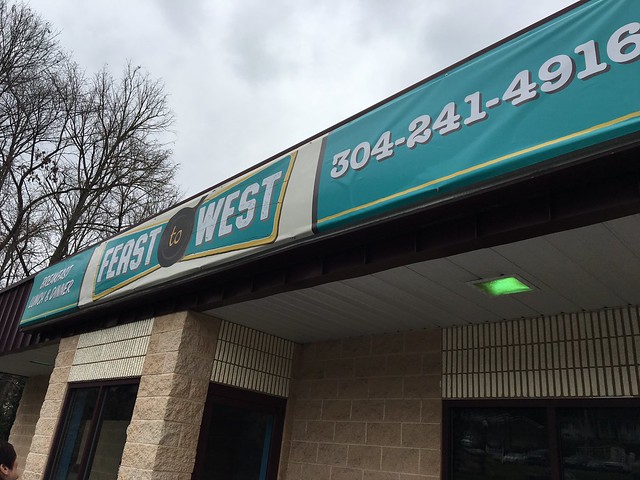
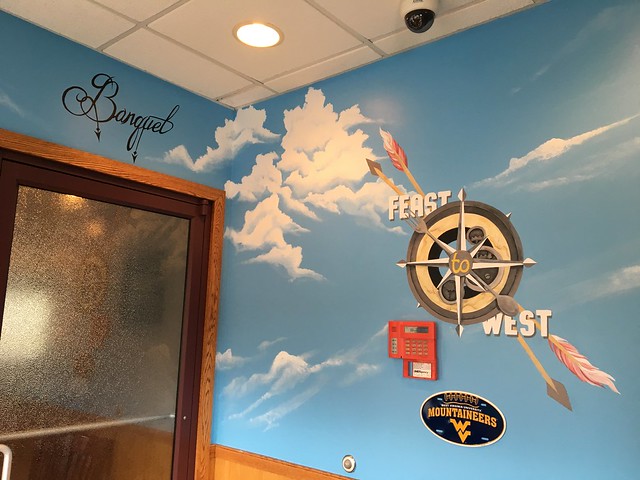
Feast to West Cafe displays a bright turquoise blue banner complete with a cast iron pan accent and with various whimsical features -- like compasses, clouds and arrows.
This standalone restaurant has the luxury of a sizable parking lot and an adjoining banquet room.
 So, I arrived early on their opening day for lunch. They serve breakfast, lunch and dinner. I was so excited to try it, I didn't want to wait another day -- but I did at least wait for the second meal of the day so they had a little time to get adjusted.
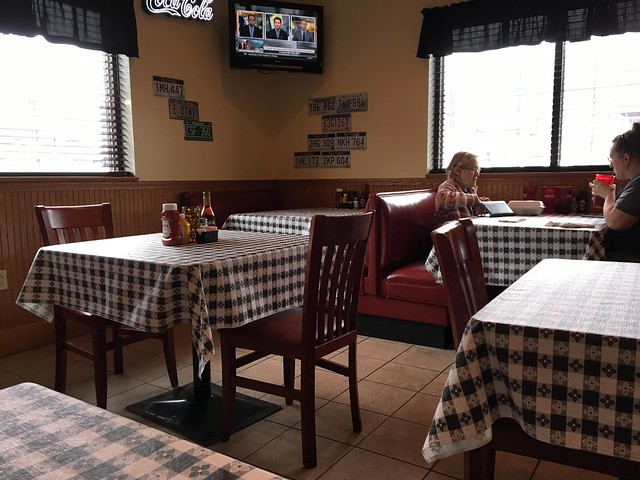 Walking in, the staff was friendly and eager to please. We were seated in a booth, and I took a moment to look around: It was a pretty busy opening day. The theme spread to the dining room with license plates on the wall. Black checkered tablecloths topped each dining space, and it was simply decorated otherwise.
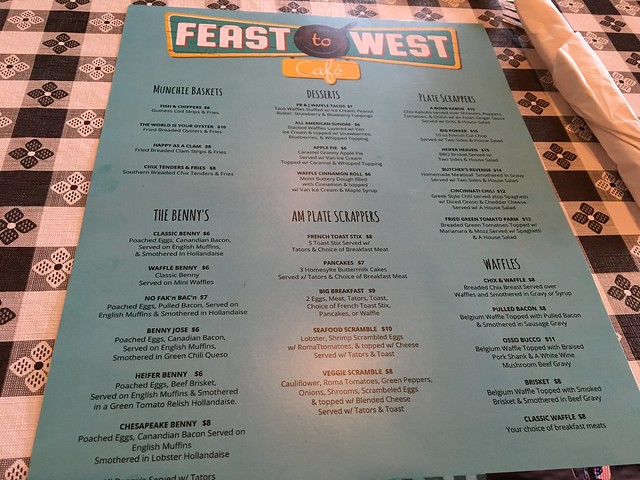
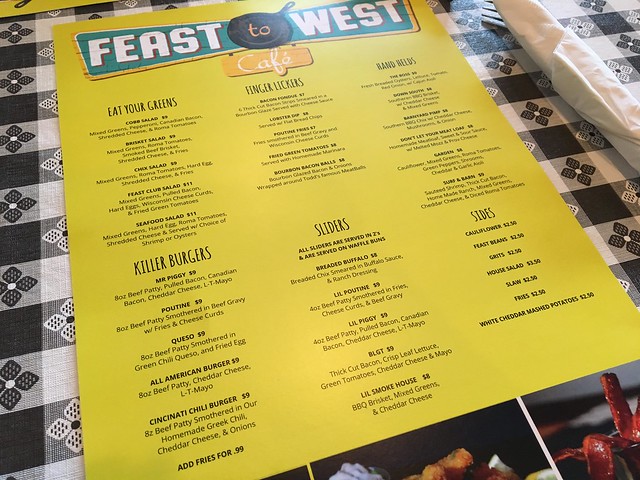
The menu is large: The front features breakfast of all kinds - eggs Benedict, pancakes, interesting types of waffles. The other side features more lunch options like wraps, burgers, salads and poutine (!).
This standalone restaurant has the luxury of a sizable parking lot and an adjoining banquet room.
So, I arrived early on their opening day for lunch. They serve breakfast, lunch and dinner. I was so excited to try it, I didn't want to wait another day -- but I did at least wait for the second meal of the day so they had a little time to get adjusted. Walking in, the staff was friendly and eager to please. We were seated in a booth, and I took a moment to look around: It was a pretty busy opening day. The theme spread to the dining room with license plates on the wall. Black checkered tablecloths topped each dining space, and it was simply decorated otherwise. The menu is large: The front features breakfast of all kinds - eggs Benedict, pancakes, interesting types of waffles. The other side features more lunch options like wraps, burgers, salads and poutine (!).
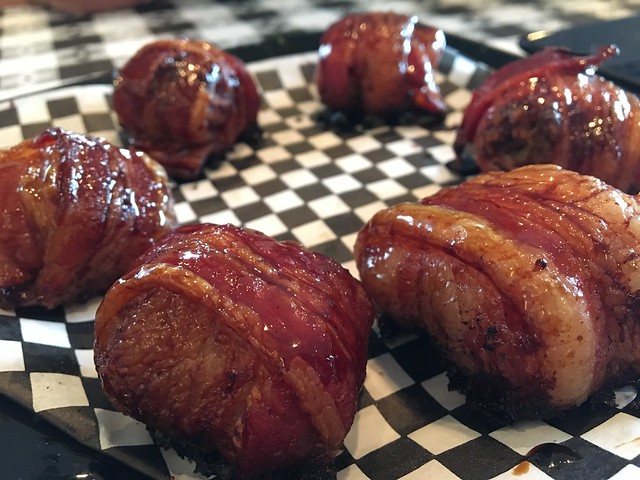
We started off with a couple appetizers: Bourbon Bacon Balls, which were bourbon-glazed bacon and onions wrapped around Todd's famous meatballs. The flavor here was spot-on sweet and salty, and the meatballs that had the crispier bacon was really a good pairing.
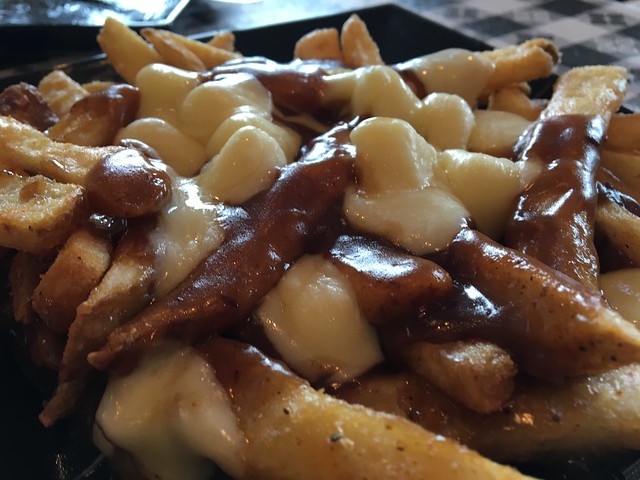
We also ordered the poutine - fries smothered in beef gravy and Wisconsin cheese curds. I've had a good bit of poutine in my travels to both Montreal and Quebec City, and I have loved it. This was an OK rendition. I think the gravy was a bit too concentrated and the curds too melted. But, not sure there is anywhere else in town you can actually get poutine, so I appreciate the addition.
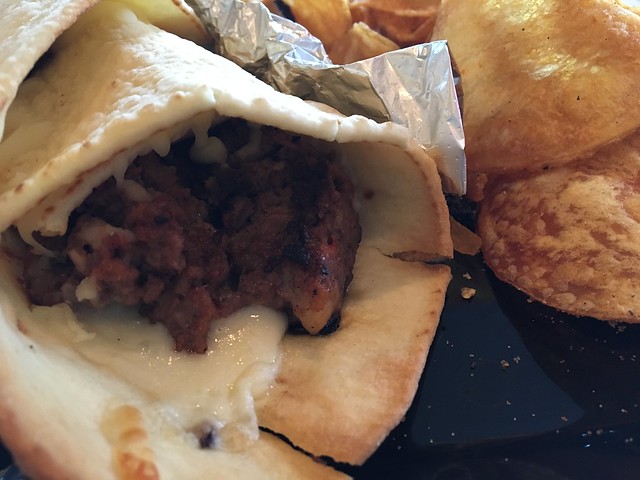
For my entree, I ordered the "Don't Let Your Meat Loaf," which was homemade meatloaf with sweet and sour sauce, melted mozzarella and provolone cheese. I was surprised to see this served in a tortilla wrap. I knew it was a “handheld,” but I assumed it would be served on bread. Without the bread, it doesn’t get the same sort of starchy goodness that is what makes meatloaf sandwiches so good. So, the meatloaf itself was moist, flavorful. Sauce was tasty, but I wish there was more of it. And, I’d definitely go for thick slices of white bread for that classic I remember from my childhood.
Housemade chips on the side were a nice touch. They had just a little bit off heat, too.
And, because we went full out, I also ordered the “PB&J Waffle Tacos” for dessert. This is “taco waffles stuffed with ice cream, peanut butter, strawberry and blueberry toppings.” This was actually one large waffle that had peanut butter spread on the inside with some ice cream and strawberry and blueberry on top. The waffle was so thick, and it was folded, so I got more waffle than anything - but I ended up scooping some ice cream out so I could get a full taste. It’s pretty large, so I think it’s definitely one to share. It can get pretty dense with all the waffle and peanut butter, so a thinner waffle or more ice cream helps balance that out a bit.
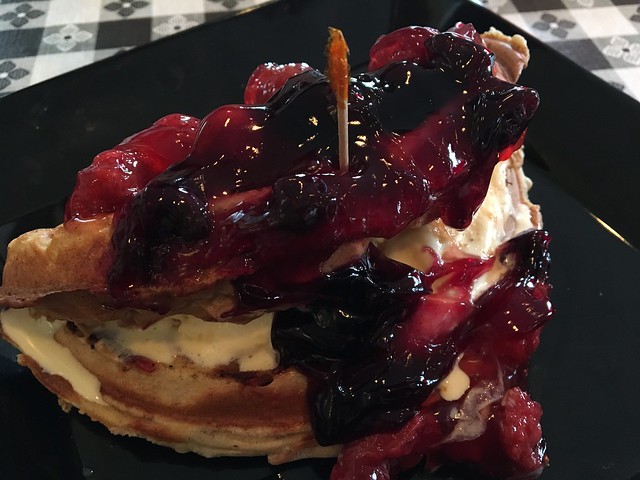
Service was a bit spotty, but no fatal flaws. And, it wasn’t too pricey considering how much we ordered. I think I need to try a few different things on the menu - the various waffles, like chicken & waffle, osso bucco waffle and pulled bacon waffle all sound super interesting. The menu is a bit all over the place, but I like that there are some things I’ve not seen before in town. Does it fill a huge void in town? That’s yet to be seen.
Grade: B
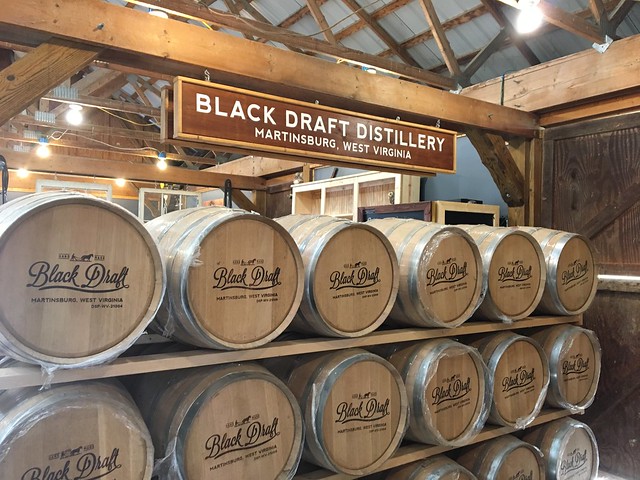
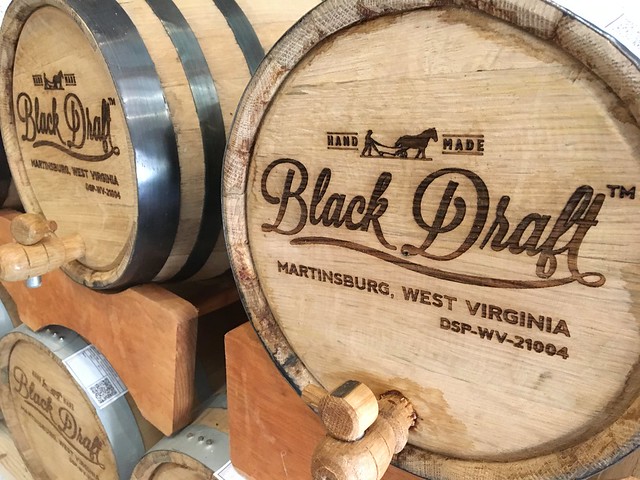 Distilleries are popping up all over the Mountain State, and few are as impressive as Martinsburg's Black Draft Distillery.
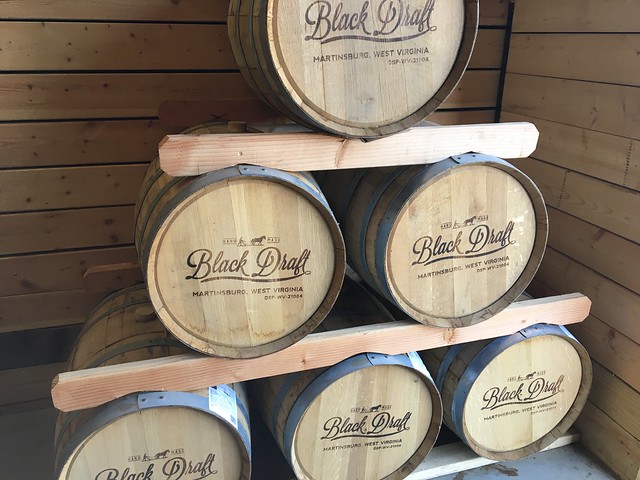
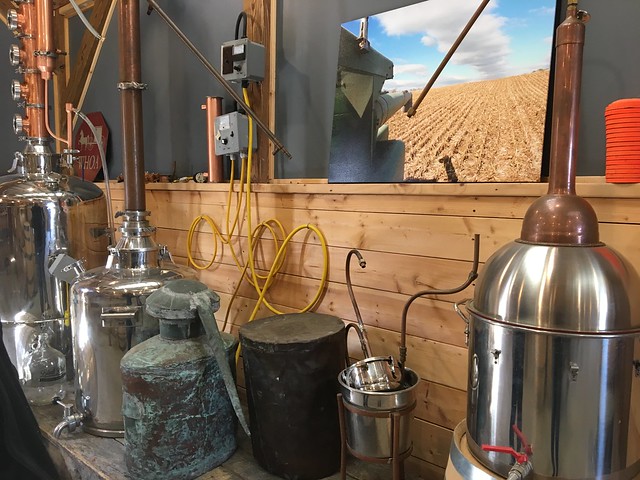 Serving up authentic moonshine, Black Draft Distillery is crafted in a converted horse barn behind the owners' home.
To tell a great story, you have to go back to the beginning…
It began with a remarkable horse.
Before there was a Black Draft Distillery, we were just Black Draft Farm with a Percheron draft horse named Biscuit. For ten years we were known as “that farm with the big beautiful horse”. The one that would ride through the nearby neighborhoods, bringing friends and family out of the homes to meet her and go on rides. And, they’d fall in love with her just like we did.
And every year starting in the fall, she became the main horse that rode in the Apple Harvest parades, then as Santa’s main ride for the Christmas festivities of our town’s Annual Tree Lighting ceremony.
Last fall, we suddenly lost her, and the barn was left empty with her spirit still very much a strong part of the farm.
And that is when we decided to take a new chapter in our lives in a very different direction. We sat down as a family, and decided to start a new business and bring the farm back to life again. We wanted to bring back the plow-to-earth business that would make our ancestors proud, and that could be handed down to the next generation. And that is when we decided to get into the whiskey business.
When it came time to choose a name for the new venture, there was only one that would honor the spirit of our beloved Biscuit. These stories. That horse. These generations. And, that moonshine. This is what brings family and friends together. And that’s what makes moonshine great!
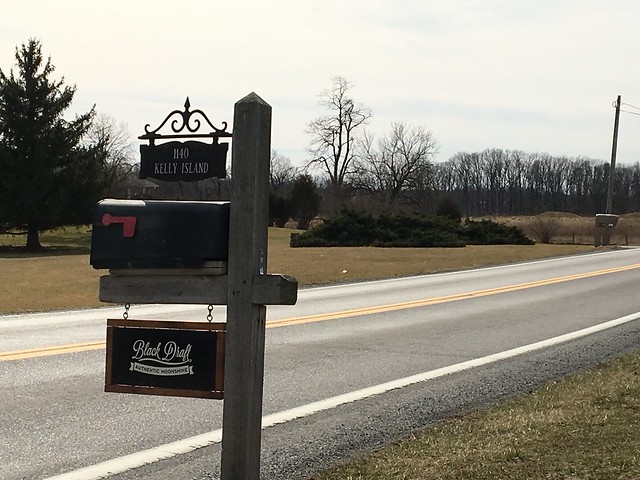 I was fortunate that Glen and Tara were kind enough to allow me to visit during off-season hours. I don't get to Martinsburg often, so when I knew I'd be passing through, I got in touch with them immediately. They were more than happy to sit down with me and talk to me a little bit about what they do.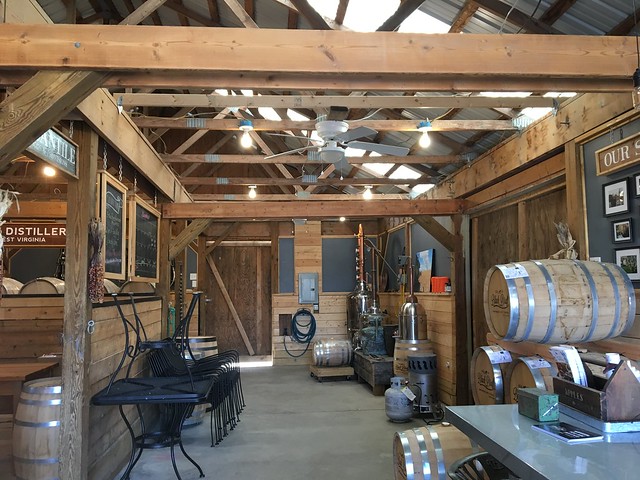
There's something really special about talking to people about what they're passionate about. That's a main driving force in why I wanted to pursue journalism. So hearing the owners talk to me about how they got into this and what it's like serving their community is pretty incredible.
 They're welcoming and inviting, and - most importantly - totally willing to have a drink with me!
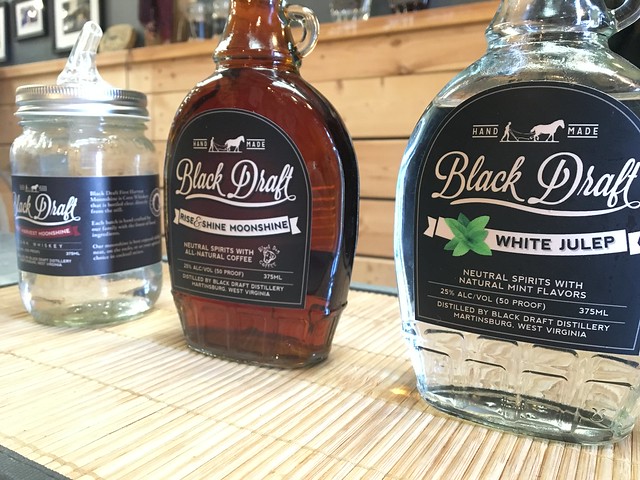
 They sell four different drinks: First Harvest Moonshine, Rise & Shine Coffee Moonshine, White Julep Moonshine and a bourbon that flies of the shelf faster than they can make it.
First Harvest Moonshine: Made with locally grown NON-GMO corn! Click here to read more about our local corn harvest season.
If you fancy yourself a connoisseur of all-things-whiskey, think again.
For the first time since Prohibition, you’ll soon be able to (legally) settle into a glass of true-blue, or should I say clear, West Virginia Moonshine, courtesy of Black Draft Distillery.
Old school mason jar?
Check.
Smooth finish so you can even taste the corn?
Check.
Listen. This ain’t your college bathtub juice. Nor is it some souvenir swill from a corner in a general store. Our First Harvest Moonshine is an honest-to-goodness West Virginia unaged corn whiskey made in the heart of bootlegging country. We’re in the Shenandoah Valley, right in the foothills of the Appalachian mountains. And by incorporating local products, we are working to create a truly authentic, pure, and tasty, libation.
Most moonshine is made primarily with sugar, and is typically referred to as “white lightning” mainly due to its hot, harsh taste. But we use corn, barley, and wheat to create a smoother, rich flavor and taste.
And, while some of you out there might have already tangled with the illegal variety, Black Draft Distillery promises a product that won’t land you and your buddies in the clinker.
Available in 375ml- “pint” or 750ml “fifth” size. Visit our purchase page to locate where to Get Your Shine On!
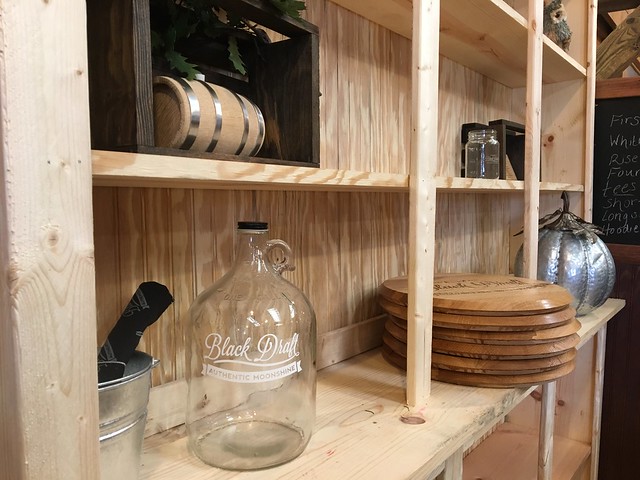 The regular moonshine is much cleaner and smoother than I expected a moonshine to be. The coffee moonshine - made with local roasters Black Dog Coffee - is a must for any West Virginia coffee-lover. And, the White Julep moonshine is not typically something I would typically go for, but mixed with some fresh mint, maybe some cranberry, some bitters... this could be one helluva drink. I even got to try some of the unfiltered bourbon. Top notch.
  If you're in the area, give Glen & Tara a call. They'd be more than happy to chat with you. And, you certainly won't regret it.
  I can't wait to see how they grow and expand from here.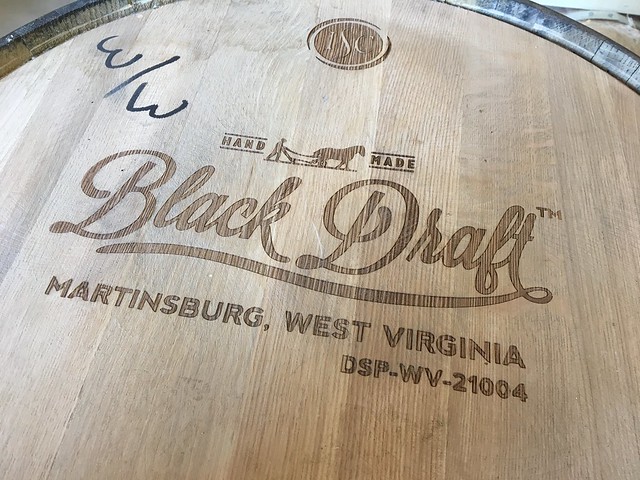

Here is a column from the WV Gazette-Mail about a Tamarack dinner I went to (you can read more about my take on the food here):
Some things just go together: peanut butter and jelly, chicken and waffles, Worcestershire-rubbed brisket and a stiff drink.
The pairing helps to complement and enhance the taste of the dish, bringing out the best flavors in each component. The same goes for local businesses in Appalachia.
Tamarack, which showcases the best of West Virginia through art, food and experience, recently partnered with Eastern Panhandle distillery Bloomery SweetShine to pair local foods with local drinks in a dinner that not only allowed the best flavors of each dish and drink to shine through, but also showcased the incredible culinary talent we have in West Virginia.
“I was at an event where Bloomery SweetShine had a booth set up, and I could sample some of the SweetShine. And they just all worked so well,” said Jamie Henderson, executive chef at Tamarack in Beckley. “The label on those bottles is exactly what it tasted like, and I knew it would be great to pair food with.”
Henderson contacted Rob Losey, co-owner of Bloomery SweetShine, and they constructed a boozy dinner that paired creative Appalachian cooking with delicious drinks — a collaboration that stretched beyond the kitchen.
The evening’s first course was a roast chicken consomme with wild mushroom garlic gnocchi, summer squashes and late summer tomatoes. The dish was paired with Bloomery’s Ginger SweetShine, as well as a Dark and Shiny cocktail.
“The best part of that was the Ginger SweetShine had this bright, strong flavor, and we created this clarified soup with egg whites that lets the ginger complement, but the dish had to be strong enough to stand up on its own,” Henderson said. “Plus, there was a little carbonation in that ’shine, so it cleansed the palate for the next course.”
The salad course featured grilled romaine, artichoke, caper berries, Nicoise olives and a creamy paprika vinaigrette. It was paired with Raspberry Lemon SweetShine and a Raspberry Lemon Cosmo.
“We had some strong flavors in this course because of the grilled romaine, the artichokes, the caper berries — all bold flavors that need downplayed, so the refreshing Raspberry Lemon SweetShine, that citrus, helped tone down all the bold, smoky flavors,” Henderson said.
The entree course was a Worcestershire-rubbed brisket with honey mead barbecue, sweet potato puree, Johnny bread and bitter buttermilk slaw. It was paired with Black Walnut SweetShine and The Jonas SweetShine cocktail.
“We rubbed the brisket down with some dehydrated Worcestershire sauce and cold smoked the brisket for three hours and finished it with a little bit of stock and braised it in the oven, so it had the aspect of smoke like a barbecue brisket, but also tender like braised brisket. Best of both worlds,” Henderson said. “That, plus the sweet barbecue and sweet potato puree and the strong, bitter buttermilk slaw, those needed something that could take the edge of the strong flavors, which is why the Black Walnut SweetShine worked so well. It helped tone it down and create a better balance.”
The dessert course was an applewood-smoked bacon and praline torte paired with Cremma Lemma SweetShine and an Appalachian Cream cocktail.
“The most interesting dish for me was the fourth course because we paired on accordance of texture, rather than flavor. The praline torte has this crumbly pie texture, and the Cremma Lemma SweetShine has cream in it, so you get that creamy texture — it’s almost like getting a cookies and cream or a pie and milk texture. It worked really well,” Henderson said.
The flavors, the colors and the textures paired together seamlessly for one tasty meal, but the evening, for me, was about more than that.
It was about two businesses pairing to promote one another, which, in turn, promoted the unbelievable talent of West Virginia.
Just like a mellow drink highlighting the strong flavors of a smoky, sweet barbecue and buttermilk slaw, when two businesses in West Virginia work together, they highlight the best parts of each other.
Tamarack’s skilled chefs would not have shined so brightly had it not been for Bloomery SweetShine’s inventive cordials. Bloomery SweetShine would not have had the kind of exposure without Tamarack’s commitment to promoting the best in West Virginia.
Both businesses brought a different audience to the dinner table and expanded each other’s reach — which serves us better as a whole. These two partnering together brought out the best in one another, showing the absolute best of what we have to offer as a state.
West Virginia has a wealth of culinary talent, and I, for one, am happy it’s on display for the rest of the world to take notice.
Some things do just go together. Me and a fork. Barbecue and SweetShine. West Virginia business and West Virginia business.
Candace Nelson is a marketing and public relations professional living in Morgantown. In her free time, Nelson blogs about West Virginia food culture at CandaceLately.com. Find her @Candace07 on Twitter or email Candace127@gmail.com.
Worcestershire-Rubbed Brisket
4-6 pounds trimmed beef brisket (approximately 1/8-inch fat on top)
1 cup Worcestershire sauce
1 tablespoon salt
¼ tablespoon black pepper
½ cup beef stock
hickory wood chips soaked in water
Combine the Worcestershire seasoning, salt and black pepper and thoroughly rub the mixture on the beef brisket.
Wrap in plastic and place in the refrigerator for 1 to 2 hours.
Set the smoker temperature to 250 degrees Fahrenheit and add soaked wood chips.
Set the unwrapped brisket in and cook until it reaches an internal temperature of 150 degrees Fahrenheit and reduce the smoker to 225 degrees Fahrenheit. The total cook time will be 8 to 10 hours.
Place a fork in brisket to check for tenderness once it reaches an internal temperature of 185 degrees Fahrenheit. If you can move the beef around with little resistance, then it is ready to be removed from the smoker.
Tightly wrap the brisket in foil with the beef stock and place in a warm holding for 1 to 2 hours.
Slice the brisket against the grain and brush on the leftover beef stock on the brisket or use for Au Jus dipping.
(Recipe from Chef Jamie Henderson’s third course of the Bloomery SweetShine Pairings Dinner.)
The Jonas SweetShine Cocktail
1 ounce Black Walnut SweetShine
2 ounces small batch bourbon
dash of blood orange bitters
turbinado sugar to taste
All work property of Candace Nelson. Powered by Blogger.